




What's Happening?
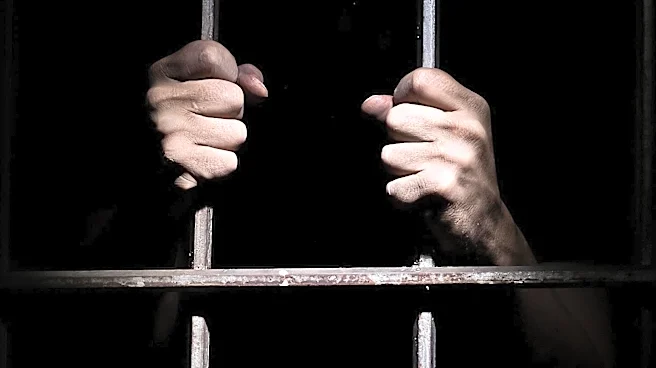
The Catoosa County Jail in Georgia, which houses individuals awaiting trial and serving short sentences, is grappling with significant challenges including overcrowding, staff shortages, and aging infrastructure. The facility operates under strict state
standards, with the sheriff's office overseeing its operations, including correctional officers, health staff, and administrative personnel. The jail's population often includes individuals charged with various offenses, many of whom are in pretrial detention, raising concerns about the fairness of prolonged stays before conviction. Daily routines are structured for security, but health and mental health needs remain a central concern, with officials reporting difficulties in staffing medical and behavioral health providers. Inmates requiring urgent care are transported to outside hospitals.
Why It's Important?
The issues at Catoosa County Jail reflect broader systemic challenges within the U.S. correctional system, particularly in smaller county facilities. Overcrowding and understaffing can compromise the safety and well-being of both inmates and staff, potentially leading to increased violence, inadequate medical care, and violations of constitutional rights. The reliance on outdated infrastructure further exacerbates these problems, making it difficult to implement modern correctional practices. The high number of individuals in pretrial detention highlights concerns about due process and the potential for individuals to be held for extended periods without conviction, impacting their lives and the local economy. The struggle to provide adequate mental health services also points to a critical gap in the justice system, often leading to jails becoming de facto mental health institutions.
What's Next?
Reform efforts in Catoosa County are focusing on reducing unnecessary pretrial detention and improving data transparency. Advocacy groups are pushing for risk assessment tools to identify low-risk individuals for electronic monitoring and for increased mental health and substance use treatment as alternatives to incarceration. County commissioners are reviewing reports on jail population trends and costs to inform policy changes. The future of the correctional system in Catoosa County will depend on funding decisions, state legislation, and evolving public expectations. Potential paths include expanding mental health response teams, adopting technology for remote court appearances, and strengthening reentry support programs to reduce recidivism.
Beyond the Headlines
The situation in Catoosa County underscores the complex interplay between local governance, public safety, and social justice. The debates surrounding jail reform often pit public safety concerns against the need for humane treatment and effective rehabilitation. The financial burden of maintaining overcrowded and understaffed facilities falls on taxpayers, prompting discussions about cost-effective alternatives to incarceration. The call for data transparency and risk assessment tools reflects a growing movement towards evidence-based practices in criminal justice. Ultimately, the challenges faced by Catoosa County Jail are indicative of a national struggle to balance punishment with rehabilitation, and to address the root causes of crime within communities.