





What's Happening?
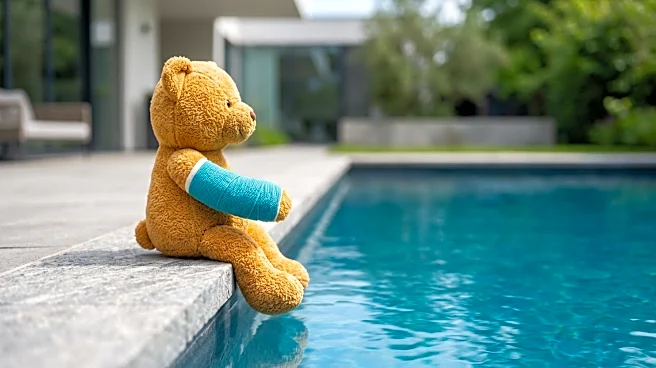
Shriners Children’s New England is promoting the benefits of waterproof casts for children recovering from broken bones, particularly during warmer months. According to Keri Garry, a pediatric nurse practitioner at the facility, traditional casts pose
a significant challenge in staying dry, which can lead to mold, bacteria growth, skin irritation, and infection. Waterproof casts, which use a breathable, latex-free liner instead of moisture-absorbing cotton padding, allow children to participate in water activities like showering and swimming while healing. This technology aims to improve the recovery experience by enabling kids to maintain a more active and comfortable lifestyle, reducing the feeling of being sidelined due to their injury. While not suitable for all types of fractures, waterproof casts are an option for many wrist, hand, forearm, and short arm injuries, and patients may be able to switch to one later in the healing process.
Why It's Important?
This initiative by Shriners Children’s New England is significant for pediatric healthcare and the well-being of children in the U.S. It addresses a common practical and psychological challenge faced by young patients with fractures, especially during summer. By offering waterproof casts, the facility enhances the quality of life for children during their recovery, allowing them to engage in normal childhood activities and reducing the emotional burden often associated with traditional casts. This can lead to better patient compliance with treatment, as children are less likely to feel isolated or frustrated. For parents, it alleviates concerns about cast care and potential complications from moisture. The broader impact includes potentially faster psychological recovery for children, as maintaining a sense of normalcy can contribute positively to their overall healing process. This also highlights advancements in medical technology that prioritize patient comfort and lifestyle integration during treatment.
What's Next?
The increased awareness and adoption of waterproof casting technology, as highlighted by Shriners Children’s New England, could lead to wider availability and integration of these casts in pediatric orthopedic care across the U.S. Other healthcare providers may follow suit in offering this option, especially in regions with warm climates or where outdoor water activities are prevalent. Further research and development in casting materials and techniques could also emerge, aiming to make waterproof casts suitable for an even broader range of fractures and patient needs. Educational campaigns for both medical professionals and the public will likely continue to emphasize the benefits and appropriate use of these advanced casting solutions. This trend suggests a continued focus on patient-centered care that minimizes disruption to daily life during recovery.
Beyond the Headlines
The adoption of waterproof casts touches upon deeper implications regarding the patient experience in healthcare, particularly for children. It underscores a growing recognition that medical treatment should not only focus on physical healing but also on maintaining a child's developmental and social well-being. By allowing children to swim and play, waterproof casts mitigate the psychological impact of injury, preventing feelings of isolation or resentment that can arise from being excluded from peer activities. This approach aligns with a broader shift in healthcare towards holistic care, where the emotional and social needs of patients are considered integral to the recovery process. It also highlights how seemingly small technological advancements can have a profound positive effect on the daily lives of patients and their families, fostering a more positive perception of medical treatment and recovery.