





What's Happening?
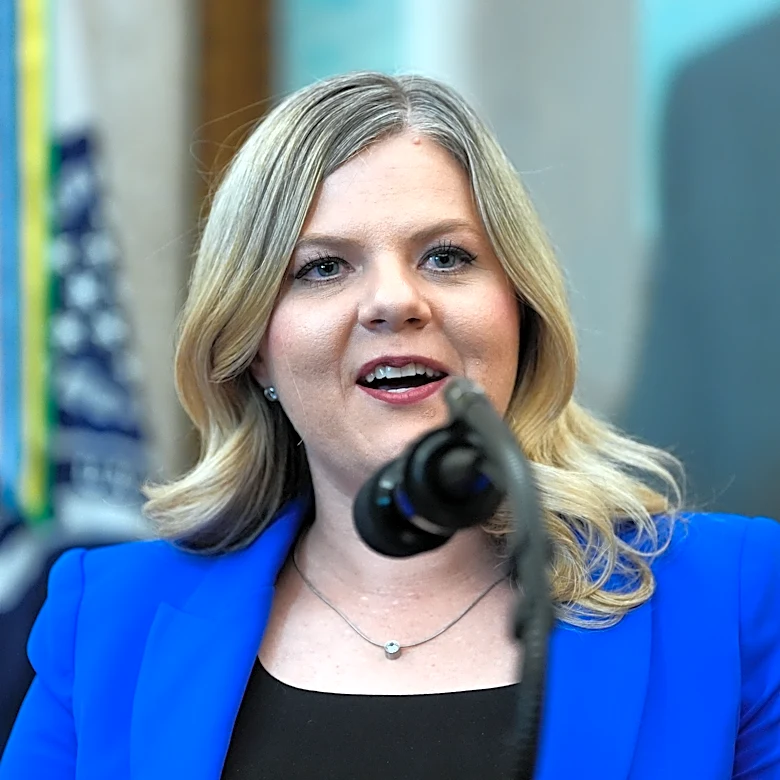
Governor Janet Mills has called on Central Maine Medical Center (CMMC) in Lewiston to reinstate 20 nurses who were recently suspended or fired. This action comes just before the nurses are scheduled to vote on unionizing. Governor Mills expressed concerns
that these disciplinary actions might be retaliatory, especially given Maine's current nursing shortage. She highlighted that it is 'unconscionable' to dismiss or suspend healthcare professionals when the state is in desperate need of them. Furthermore, Mills questioned whether Prime Healthcare, which acquired Central Maine Healthcare earlier this year, is adhering to staffing requirements stipulated in the state's Certificate of Need approval for the acquisition. The Maine Department of Health and Human Services has reportedly conducted a site visit and is reviewing quality and safety concerns at the hospital. A spokesperson for CMMC, however, stated that the suspensions and firings were due to violations of hospital policy, such as patient abandonment and disruption of care, and were not related to union activities.
Why It's Important?
This situation carries significant implications for labor relations, healthcare staffing, and regulatory oversight in Maine. The timing of the disciplinary actions, coinciding with a unionization vote, raises questions about potential anti-union tactics, which could set a precedent for other healthcare institutions. Given the severe nursing shortage in Maine, the dismissal of 20 nurses exacerbates an already critical public health issue, potentially impacting patient care and access to services. The Governor's intervention underscores the state's commitment to ensuring adequate healthcare staffing and protecting workers' rights. Moreover, it brings into focus the accountability of healthcare corporations, particularly those that have recently acquired facilities, to meet state-mandated staffing levels and quality standards. The outcome of this dispute could influence future unionization efforts within the healthcare sector and shape how state authorities monitor and enforce compliance with acquisition agreements.
What's Next?
The immediate next step is the scheduled unionization vote by the nurses at Central Maine Medical Center. The results of this vote will significantly influence the dynamics between the hospital administration and its nursing staff. Governor Mills's letter and the ongoing review by the Maine Department of Health and Human Services suggest that state oversight of CMMC and Prime Healthcare will continue, potentially leading to further investigations or regulatory actions if non-compliance with staffing requirements or other standards is found. Stakeholders, including labor unions, patient advocacy groups, and other healthcare providers, will likely closely monitor the situation. Depending on the outcome of the union vote and the state's review, there could be legal challenges regarding unfair labor practices or further public pressure on CMMC to reinstate the nurses and address staffing concerns.
Beyond the Headlines
Beyond the immediate dispute, this event highlights broader tensions within the U.S. healthcare system, particularly concerning the balance between corporate interests and public health needs. The acquisition of local hospitals by larger healthcare systems, like Prime Healthcare's acquisition of Central Maine Healthcare, often brings promises of improved efficiency and resources but can also lead to concerns about cost-cutting measures impacting staffing and patient care. The incident also underscores the ongoing struggle for union recognition and workers' rights in critical sectors like healthcare, where employees often face immense pressure. The 'unconscionable' nature of firing nurses during a shortage, as stated by Governor Mills, points to a potential ethical dilemma where business decisions might conflict with societal well-being. This case could serve as a bellwether for how states navigate the complexities of healthcare consolidation and labor relations in an era of persistent healthcare worker shortages.