







What's Happening?
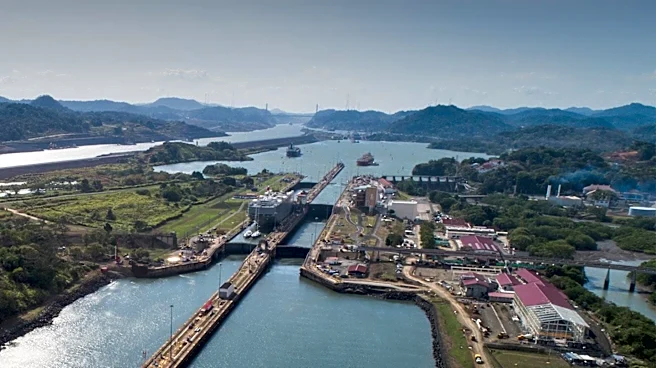
The Board of Executive Directors of the Inter-American Development Bank (IDB) has approved a $95 million investment loan for Panama. This funding aims to enhance environmental conditions in the Panama Metropolitan Area and the Districts of Arraiján and La
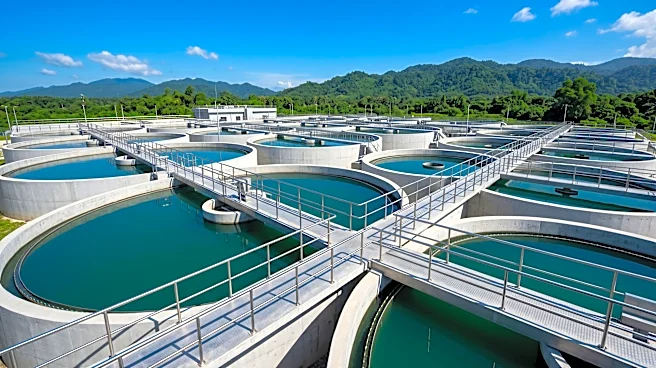
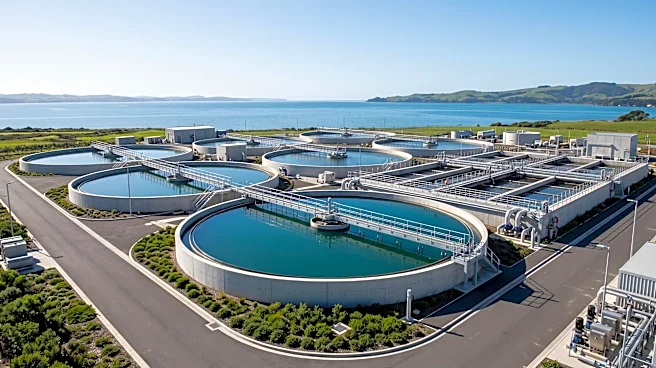
Chorrera. The program is designed to directly benefit approximately 310,000 people by expanding access to sanitation services and safeguarding water resources in Panama Bay and surrounding districts. This initiative is the first individual operation under a larger $210 million Conditional Credit Line for Investment Projects (CCLIP), which seeks to improve sanitary and environmental conditions across the provinces of Panama and West Panama. The project includes rehabilitating the Amador sanitary sewerage system, designing and constructing sanitation infrastructure in Condado del Rey, and funding the Caimito wastewater treatment plant and Dos Líneas facilities (Phase 1). Additionally, it will support the Matansillo River main interceptor and promote the reuse of by-products from the Juan Díaz wastewater treatment plant.
Why It's Important?
This IDB loan is crucial for Panama's sustainable development and public health. Improved sanitation services will significantly reduce waterborne diseases and enhance the overall quality of life for hundreds of thousands of residents. The protection of water resources in Panama Bay is vital for the region's ecosystem and economic activities, including tourism and fishing. By aligning with Panama’s Sustainable Financing Framework, the project also strengthens the country's capacity to manage and finance environmental initiatives long-term. The institutional strengthening component, which includes training for the Panama Sanitation Program Coordinating Unit (UCPSP) in contract and risk management, will build local expertise in designing climate-resilient sanitation projects. This comprehensive approach ensures not only immediate environmental improvements but also fosters a more robust and sustainable infrastructure for future generations, contributing to economic stability and public welfare.
What's Next?
The $95 million loan, with an 18-year repayment term and a 6.5-year grace period, will be complemented by a local counterpart contribution of $172.4 million. The immediate next steps involve the implementation of the various sanitation and water protection initiatives outlined in the program. This includes the rehabilitation of existing infrastructure, the design and construction of new facilities, and ongoing project management and technical assistance. The training provided to the UCPSP will enable them to oversee these projects more effectively and ensure their long-term sustainability. The project is expected to continue supporting the design and construction of the Matansillo River main interceptor and other complementary works. This initial operation under the $210 million CCLIP sets the stage for further investments in sanitation across Panama and West Panama, establishing a long-term platform for environmental improvements.
Beyond the Headlines
Beyond the immediate benefits of improved sanitation and water quality, this IDB investment signifies a broader commitment to environmental sustainability and institutional capacity building in Latin America. The focus on climate-resilient sanitation projects highlights a proactive approach to addressing the challenges posed by climate change, ensuring that infrastructure investments are durable and effective in the face of evolving environmental conditions. The project's emphasis on institutional strengthening and environmental education integrates technical solutions with human capital development, fostering a more informed and capable local workforce. This holistic strategy can serve as a model for other developing nations facing similar environmental and public health challenges, demonstrating how international financial institutions can drive sustainable development through targeted investments and capacity building. The long-term impact extends to regional stability and economic growth, as healthy populations and protected natural resources are fundamental to sustained prosperity.