






What's Happening?
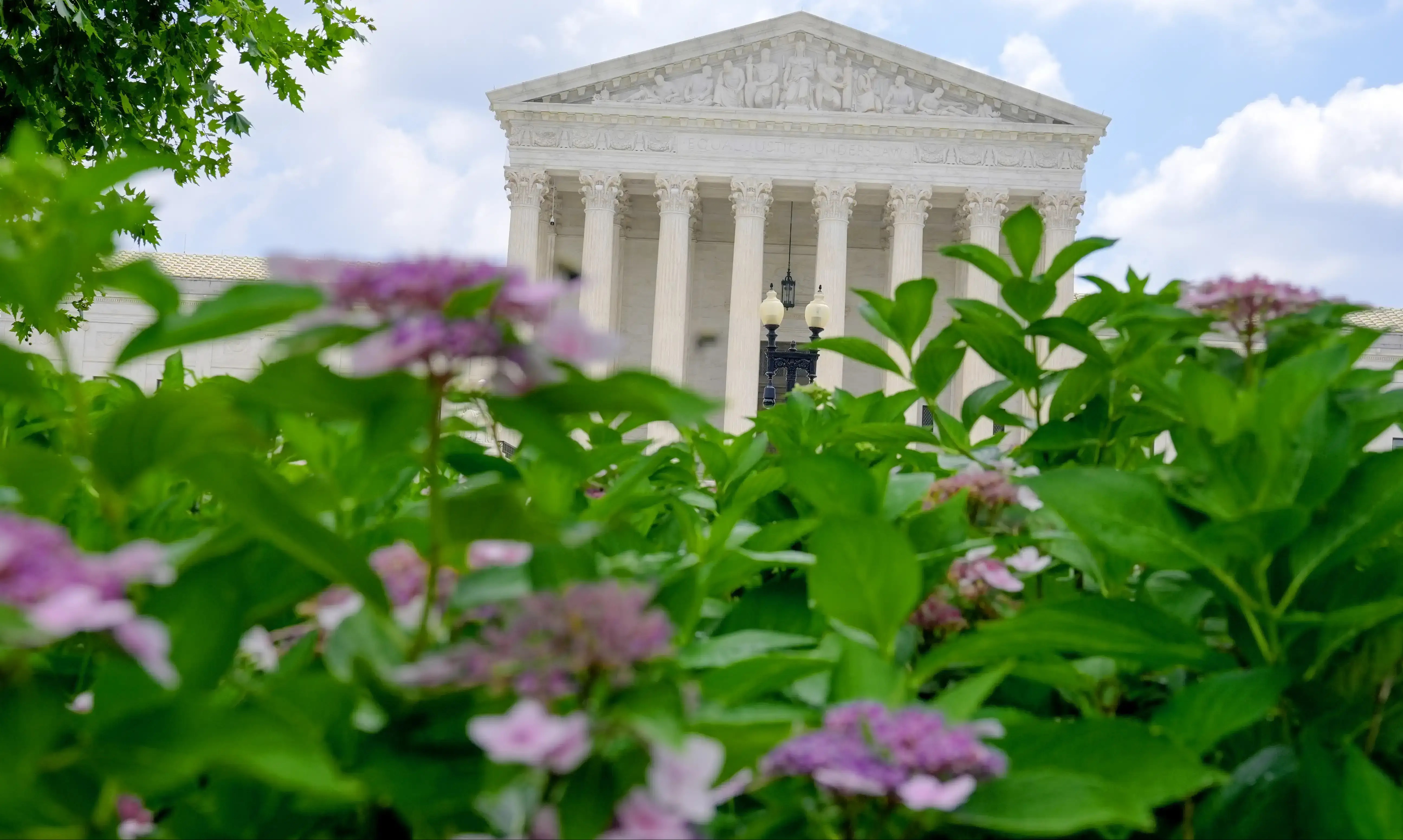
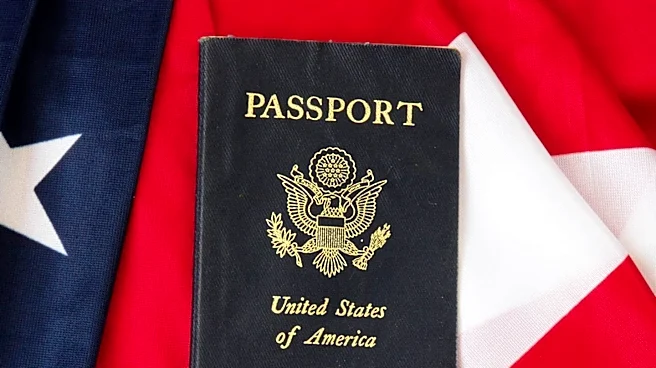
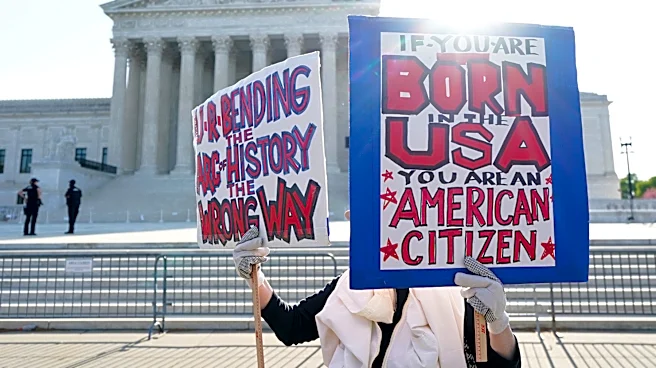
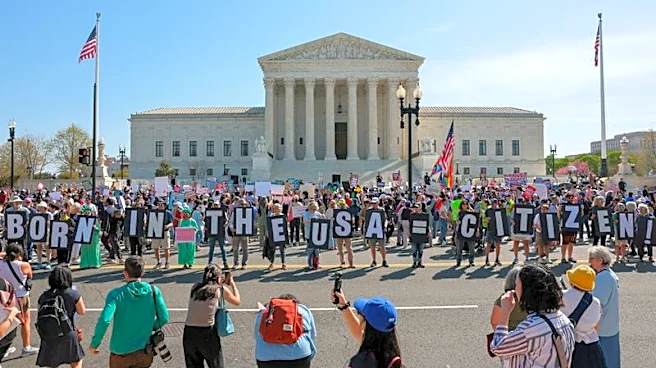
The Supreme Court has delivered a series of rulings that have both expanded and limited President Trump's executive powers. Notably, the court upheld the longstanding interpretation of birthright citizenship, rejecting Trump's attempt to alter it through
an executive order. However, the court has largely supported Trump's immigration policies, allowing him to end certain humanitarian programs and increase scrutiny on green-card holders. In election-related cases, the court's decisions have favored Republicans, including a ruling that weakened a key provision of the Voting Rights Act, potentially impacting minority voting power. Additionally, the court has allowed states to ban transgender women and girls from female sports teams, aligning with Trump's cultural policy stances.
Why It's Important?
These rulings have significant implications for U.S. politics and society. The decision to uphold birthright citizenship maintains a critical aspect of American identity and immigration policy. However, the court's support for Trump's immigration measures could affect millions, particularly those relying on humanitarian programs. The weakening of the Voting Rights Act may lead to increased gerrymandering, affecting electoral fairness and minority representation. The cultural rulings reflect ongoing societal debates over transgender rights and could influence state policies nationwide. These decisions highlight the court's role in shaping policy and the balance of power between the executive branch and other government entities.
What's Next?
Future legal battles are likely as states and advocacy groups respond to these rulings. The court's upcoming term will address issues such as parental rights in gender identity transitions and the constitutionality of semiautomatic rifle bans. These cases will further define the court's stance on individual rights and state powers. Political and civil rights organizations may increase efforts to challenge or adapt to these legal precedents, influencing legislative agendas and public discourse.
Beyond the Headlines
The court's decisions underscore a broader trend of judicial influence on policy, particularly in areas where legislative consensus is lacking. The rulings may embolden states to pursue more aggressive policies in line with the court's interpretations, potentially leading to increased polarization. The balance between protecting individual rights and state autonomy remains a contentious issue, with long-term implications for American governance and civil liberties.