




What's Happening?
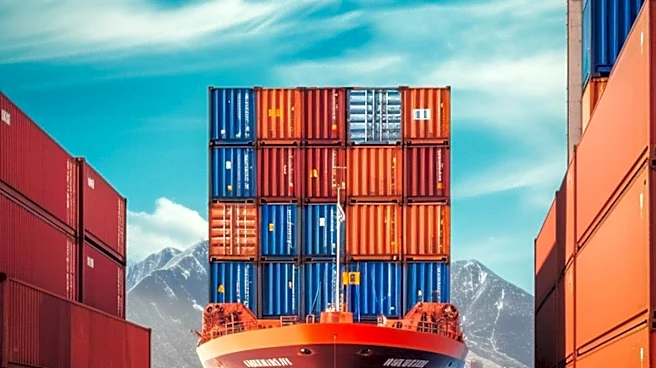
Fareed Zakaria, a well-known journalist and host of 'Fareed Zakaria GPS' on CNN, has recently critiqued President Trump's global tariff policies. Zakaria argues that these tariffs, particularly on steel and aluminum, have not only failed to achieve their
intended goals but have also backfired, leading to a decline in American manufacturing. He highlights the paradox of America's increased reliance on goods produced through forced labor, more so than any other G20 country. Zakaria also touches on international political changes, such as the regime change in Hungary, where Prime Minister Peter Magyar is attempting to dismantle the political system established by former leader Viktor Orbán.
Why It's Important?
The critique of President Trump's tariff policies by a prominent journalist like Fareed Zakaria is significant as it brings attention to the broader economic implications of these policies. The tariffs were initially intended to protect American industries and jobs, but according to Zakaria, they have led to unintended consequences, such as a decline in manufacturing and increased reliance on forced labor goods. This analysis could influence public opinion and policy discussions regarding the effectiveness of protectionist trade measures. Additionally, Zakaria's insights into international political shifts, like those in Hungary, provide a broader context for understanding global political dynamics and their potential impact on U.S. foreign policy.
What's Next?
As Zakaria's analysis gains attention, it may prompt further scrutiny of President Trump's trade policies from both political leaders and economic stakeholders. There could be increased calls for policy revisions or alternative strategies to address the issues raised, such as the decline in manufacturing and reliance on forced labor goods. Additionally, the situation in Hungary may lead to discussions on the U.S.'s role in supporting democratic processes abroad, potentially influencing future diplomatic strategies.