







What's Happening?
The International Maritime Organization (IMO) has announced that the International Convention on Liability and Compensation for Damage in Connection with the Carriage of Hazardous and Noxious Substances by Sea, known as the 2010 HNS Convention, will come
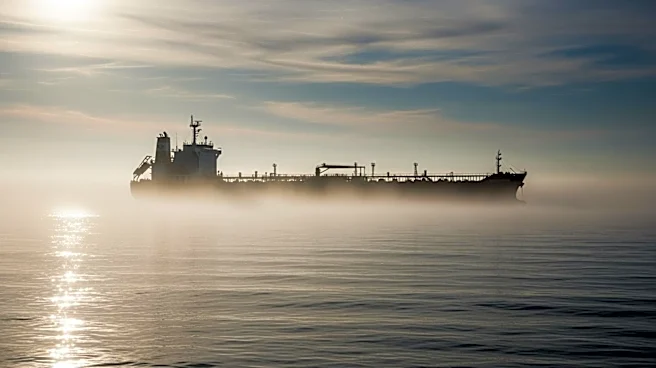
into effect on November 29, 2027. This development follows the fulfillment of conditions required for the treaty's activation, achieved on May 29, 2026. The treaty aims to close a significant gap in the international liability and compensation framework for shipping, particularly as the volume of chemicals and alternative fuels transported by sea increases. The convention mandates shipowners to maintain state-certified insurance or financial security and introduces an HNS Fund to provide additional compensation. The fund will be financed by contributions from receivers of HNS cargo in contracting states. The treaty applies the 'polluter pays' principle, ensuring compensation for those affected by hazardous cargo incidents.
Why It's Important?
The entry into force of the 2010 HNS Convention is a critical step in enhancing the global shipping industry's liability and compensation mechanisms. It provides a structured approach to managing risks associated with the transportation of hazardous and noxious substances, which is increasingly important as global trade and the use of alternative fuels expand. The convention's implementation will likely lead to increased compliance costs for shipowners, who must secure insurance and financial guarantees. However, it also offers legal certainty and protection for affected parties, potentially reducing litigation and facilitating quicker compensation. This development is significant for the U.S. shipping industry, which is part of the global maritime network, as it aligns with international standards and practices, potentially influencing domestic regulatory frameworks.
What's Next?
As the treaty's implementation date approaches, shipowners and operators will need to prepare for compliance by securing the necessary insurance and financial securities. The establishment of the HNS Fund will require administrative coordination among contracting states to ensure efficient operation. Stakeholders, including governments and industry players, will likely engage in discussions to address any challenges in the treaty's application and to ensure a smooth transition. The U.S., as a major player in global shipping, may consider ratifying the convention to align with international standards, which could involve legislative and regulatory adjustments.