





What's Happening?
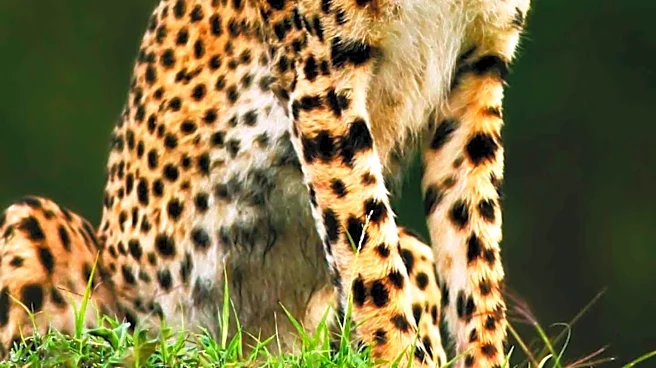
A new study published in the scientific journal *Current Biology* reveals that DNA extracted from the bones of the prehistoric 'American cheetah' (Miracinonyx trumani), found in Wyoming's Natural Trap Cave, could be crucial for saving modern cheetah,
lion, and tiger populations. Paleontologists, led by mammalian biologist Julie Meachen of Des Moines University, analyzed nuclear DNA from Miracinonyx petrosal bones (inner ear bones), providing the first full genetic picture of this extinct cat. The study found that Miracinonyx, despite its resemblance to modern cheetahs, was more closely related to mountain lions and jaguars. Surprisingly, the research indicated that Miracinonyx had consistently low population sizes even during the Pleistocene era, challenging previous assumptions that modern cheetahs' low genetic diversity is solely a recent phenomenon caused by human activity. Additionally, isotope analysis of Miracinonyx bones revealed a diverse diet, including fish in Alaskan specimens, a behavior not typically associated with modern cheetahs.
Why It's Important?
This research significantly impacts modern conservation efforts for big cats by challenging long-held assumptions about their historical population dynamics. The discovery that prehistoric cheetah-like cats naturally maintained low population sizes suggests that current conservation strategies might need to be re-evaluated. It implies that while human factors like habitat loss and poaching are critical, some big cat species may have an inherent genetic predisposition to smaller populations, making them inherently more vulnerable. Understanding this historical context can help conservationists develop more targeted and realistic strategies, focusing on preserving existing habitats and genetic diversity within the context of naturally limited population growth. The dietary flexibility observed in Miracinonyx also offers insights into adaptability, which could inform strategies for managing modern big cat populations in changing environments.
What's Next?
The findings from this study will likely spur further research into the nuclear DNA of other extinct big cat species, such as the saber-toothed cat (Smilodon) and the American lion. Scientists will be searching for more petrosal bones from various Ice Age species to determine if naturally low population sizes were a common trait among prehistoric large carnivores. This expanded research could provide a more comprehensive understanding of big cat evolution and vulnerability. For modern conservation, these insights will inform discussions on genetic management, habitat preservation, and breeding programs for endangered species like cheetahs, lions, and tigers. The study emphasizes the need for careful preservation of remaining big cat habitats, acknowledging that some population limitations may be intrinsic and unchangeable.
Beyond the Headlines
This study delves into the deep evolutionary history of big cats, revealing a complex interplay between genetics, environment, and survival that spans millennia. It highlights the power of paleontological research to provide critical context for contemporary ecological challenges. The ethical implication is a call for humility in conservation: while human impact is undeniable, understanding natural historical patterns can prevent misattributing all vulnerabilities solely to recent anthropogenic causes. This doesn't diminish the urgency of conservation but refines its focus, encouraging strategies that work *with* the inherent biological realities of these species rather than against them. Culturally, it reinforces the idea that the past holds keys to understanding the present and shaping the future, connecting ancient ecosystems in Wyoming to the survival of iconic species across the globe.