


What's Happening?
International organizations are raising alarms about the potential spread of famine in Sudan, a crisis already declared in several parts of the country. The capital, Khartoum, is experiencing severe bread shortages, with most bakeries ceasing operations
due to a drastic increase in wheat prices and a lack of fuel. The price of a loaf of bread in Khartoum has doubled in the past week, from 250 to 500 Sudanese pounds. This economic strain is forcing families to allocate nearly their entire combined salaries to purchase bread, significantly reducing their daily consumption. The Sudanese pound has also depreciated sharply against the dollar, losing approximately 25 percent of its value in the last month. This currency devaluation further hinders the government's ability to import essential goods like fuel and wheat. The ongoing conflict between the army and the paramilitary Rapid Support Forces (RSF) has divided the country, exacerbating supply chain issues and preventing aid deliveries to affected regions. Over 200,000 people in South Kordofan and North Darfur states are currently experiencing famine, with warnings that the crisis could extend to eight more cities by 2027.
Why It's Important?
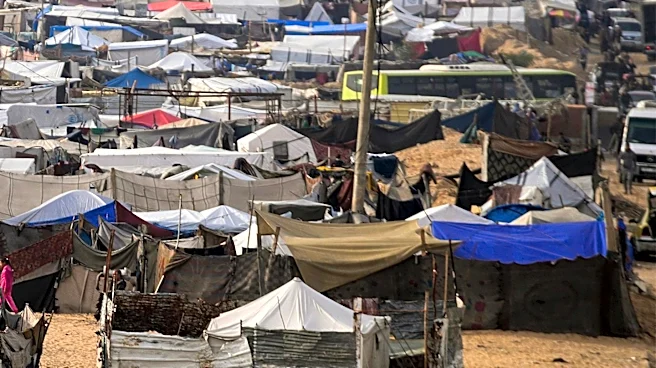
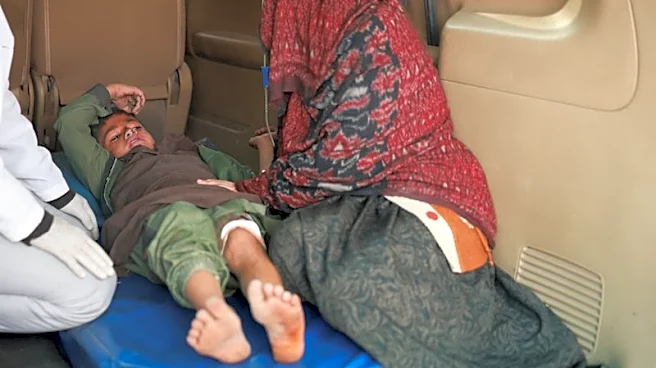
The escalating famine in Sudan represents a critical humanitarian crisis with severe implications for regional stability and international aid efforts. The widespread food insecurity, affecting around 20 million people, could lead to mass displacement, increased mortality rates, and further destabilization of an already fragile nation. The economic collapse, marked by hyperinflation and currency devaluation, undermines any potential for recovery and self-sufficiency, making the population increasingly reliant on external assistance. The conflict's disruption of essential services, including power outages and blocked aid routes, compounds the crisis, making it difficult for humanitarian organizations to reach those most in need. This situation could also strain global resources as more international aid will be required to prevent a larger-scale catastrophe. The long-term effects of malnutrition, particularly among children, will have lasting impacts on public health and future economic productivity in Sudan.
What's Next?
The immediate future for Sudan points to a worsening humanitarian situation unless significant interventions occur. International organizations will likely intensify their calls for increased aid and unimpeded access to conflict-affected areas. Efforts to stabilize the Sudanese pound and secure fuel and wheat imports will be crucial, though challenging given the ongoing conflict. The international community may need to pressure the warring factions to establish humanitarian corridors and cease hostilities to allow for the delivery of essential supplies. Without a resolution to the conflict and a stabilization of the economy, more bakeries are expected to close, and food prices will continue to surge, pushing more Sudanese into severe hunger. The UN-backed reports indicate a high probability of famine spreading to additional cities by 2027, suggesting a prolonged and deepening crisis.
Beyond the Headlines
The famine in Sudan highlights the devastating interplay between conflict, economic collapse, and climate vulnerabilities. Beyond the immediate suffering, the crisis risks creating a lost generation due to widespread malnutrition and lack of access to education and healthcare. The reliance on imported wheat also exposes Sudan's vulnerability to global market fluctuations and supply chain disruptions, underscoring the need for long-term food security strategies that promote local agricultural resilience. The international community's response will be a test of its commitment to humanitarian principles and its ability to address complex emergencies where political instability and economic hardship converge. The situation also raises questions about the effectiveness of current diplomatic efforts to resolve the Sudanese conflict and protect civilian populations from its most severe consequences.