






What's Happening?
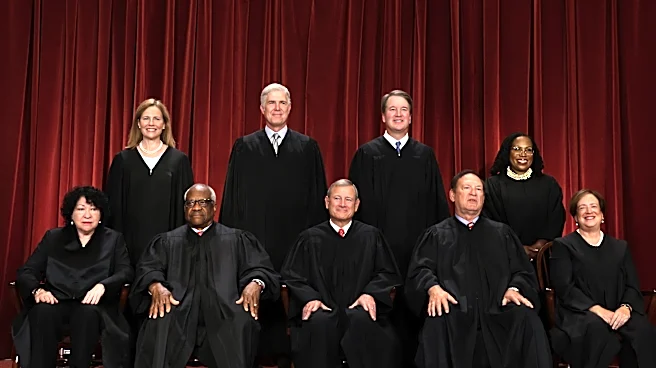
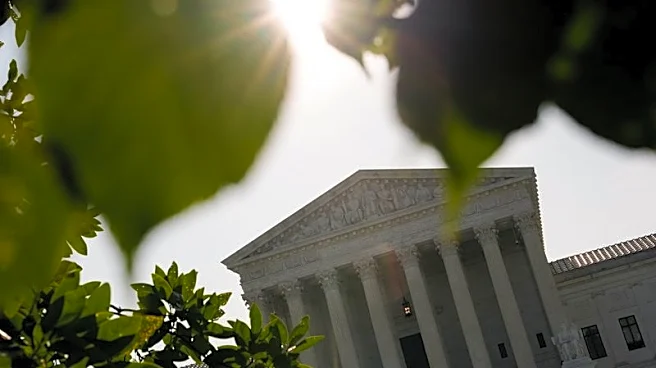
The U.S. Supreme Court recently ruled in favor of Monsanto in the case of Monsanto v. Durnell, a significant decision impacting over 200,000 Americans who have sued the company, claiming its Roundup pesticide caused cancer. The ruling determined that
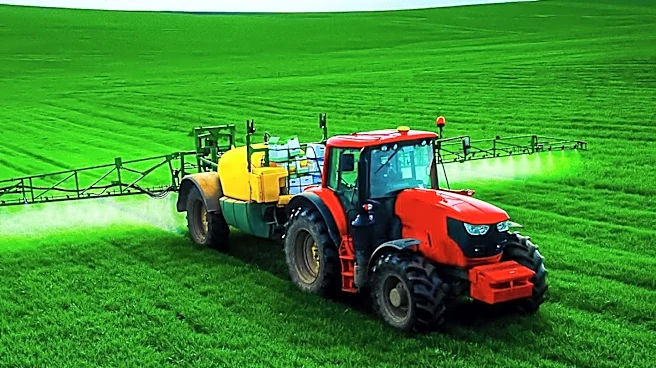
state law 'failure-to-warn' claims are preempted by federal pesticide law, effectively closing a legal avenue for individuals harmed by toxic pesticides to hold manufacturers accountable. This decision follows years of litigation where Monsanto, now owned by Bayer, faced numerous lawsuits alleging that its product, containing glyphosate, was a probable cause of non-Hodgkin’s lymphoma. Despite previous jury verdicts against Monsanto, the Supreme Court's decision marks a victory for the pesticide industry, limiting the ability of individuals to seek redress through state courts.
Why It's Important?
The Supreme Court's decision has significant implications for public health and corporate accountability. By preempting state law claims, the ruling restricts the legal options available to individuals seeking compensation for health damages allegedly caused by pesticides. This decision underscores the influence of federal regulations over state laws in matters of public health and safety. It highlights the ongoing debate over the adequacy of federal oversight by agencies like the Environmental Protection Agency (EPA), which has been criticized for its handling of glyphosate's cancer risk assessments. The ruling may embolden corporations by reducing their liability risks, potentially impacting future regulatory and legislative actions aimed at protecting consumers and the environment.
What's Next?
In response to the ruling, advocacy groups and legal watchdogs are expected to intensify their efforts to hold regulatory agencies accountable and push for stronger federal oversight of pesticide safety. The decision may prompt legislative initiatives aimed at enhancing consumer protections and revisiting the balance of power between federal and state regulations. Additionally, ongoing litigation and advocacy efforts will likely focus on other legal theories not addressed in the Durnell case, as stakeholders continue to seek justice for those affected by pesticide exposure. The ruling also places increased pressure on Congress to address the regulatory gaps and ensure that public health interests are prioritized over corporate profits.