





What's Happening?
Authorities at Los Angeles International Airport (LAX) have arrested Shamim Mafi, a 44-year-old Iranian national residing in Los Angeles, for attempting to smuggle arms to Sudan on behalf of the Islamic regime. According to First Assistant US Attorney
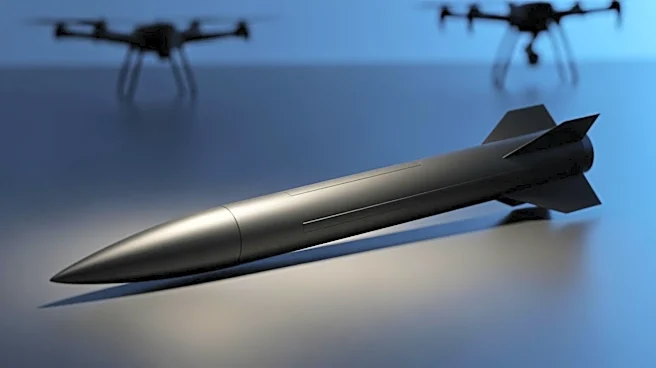
for the Central District of California, Bill Essayli, Mafi was apprehended on Saturday night while trying to transport drones, bombs, bomb fuses, and millions of rounds of ammunition manufactured by Iran. Mafi, who became a lawful permanent resident of the US in 2016, has been charged with violating 50 U.S.C. § 1705. If convicted, she faces a statutory maximum sentence of 20 years in prison. Mafi is expected to make her initial court appearance on Monday afternoon at a district court in Los Angeles. Essayli emphasized that under the US legal system, Mafi is presumed innocent until proven guilty in court.
Why It's Important?
This arrest highlights ongoing concerns about international arms trafficking and the involvement of foreign nationals in such activities within the United States. The case underscores the vigilance of US authorities in monitoring and intercepting illegal arms shipments that could potentially fuel conflicts abroad, in this instance, Sudan. The arrest of Mafi, a lawful permanent resident, also raises questions about the security measures in place to prevent individuals with legal residency from engaging in activities that threaten national and international security. The potential 20-year sentence reflects the seriousness with which the US government treats violations of arms trafficking laws, aiming to deter similar actions by others.
What's Next?
Mafi's upcoming court appearance will be closely watched as it may set a precedent for how similar cases are handled in the future. Legal proceedings will determine whether Mafi is found guilty and, if so, the severity of her sentence. The case may prompt further investigations into possible networks or accomplices involved in the arms trafficking scheme. Additionally, it could lead to increased scrutiny of individuals with ties to foreign regimes who reside in the US, potentially affecting immigration and security policies.