



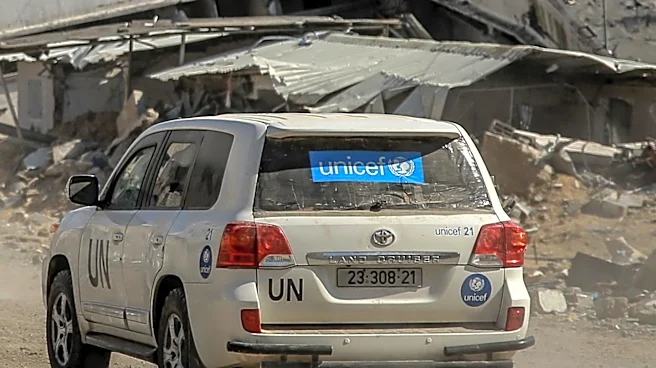


What's Happening?
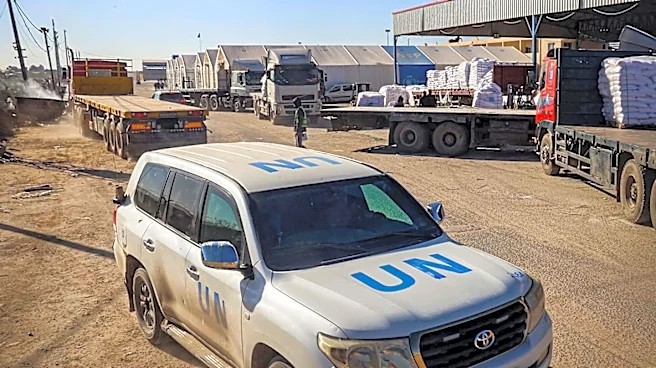
The United Nations World Food Programme (WFP) has significantly reduced its food aid to Gaza, cutting assistance by approximately one-third and impacting half a million Palestinians. This reduction, announced on October 19, includes halving food rations
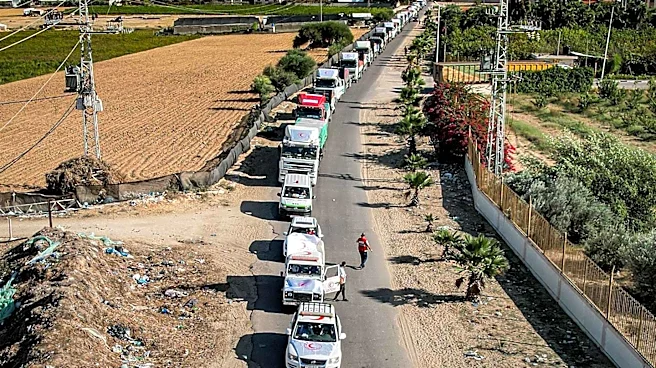
from two parcels a month to one, decreasing the size of wheat flour bags, and reducing daily hot meals from 250,000 to 150,000. Families in hard-to-reach areas near Israeli military control will now receive hot meals every other day instead of daily. Additionally, cash assistance for 75,000 families has been reduced. These cuts come as an estimated 1.4 million Palestinians, or 67% of Gaza’s population, face acute food insecurity at 'crisis levels or worse,' with 200,000 people in 'emergency conditions' requiring immediate food assistance to prevent starvation. The WFP attributes these reductions to funding shortages. This situation exacerbates an already dire humanitarian crisis, with residents like Al-Abd Abu Beid expressing despair over the loss of essential food supplies they depend on for survival.
Why It's Important?
The reduction in WFP aid signifies a critical escalation of the humanitarian crisis in Gaza, directly impacting the food security and survival of a significant portion of the population. With 67% of Gaza experiencing acute food insecurity, these cuts will push more families into severe hunger and malnutrition, potentially leading to increased mortality rates, especially among vulnerable groups like children. The situation is compounded by ongoing Israeli military actions and restrictions on aid entry, which have previously led to famine conditions. The economic impact is also severe, as food prices have soared due to shortages and border closures, making basic necessities unaffordable for many. The reliance on international aid highlights the fragility of the region's food supply chain and the profound consequences of funding shortfalls. This development underscores the urgent need for sustained and increased humanitarian assistance to prevent a wider catastrophe and stabilize the region.
What's Next?
The immediate future for Gaza's population appears grim, with continued and potentially worsening food shortages. Without a reversal of the WFP's aid cuts or significant new funding, the number of people facing severe hunger and malnutrition is expected to rise. Humanitarian organizations will likely face increased pressure to find alternative funding sources or scale back operations further. The international community may face renewed calls to address the funding gaps and ensure unhindered access for humanitarian aid into Gaza. There could be increased diplomatic efforts to pressure relevant parties to facilitate aid delivery and address the root causes of the crisis, including ongoing conflicts and restrictions. Residents will continue to struggle with soaring food prices and limited access to essential goods, potentially leading to increased social unrest and desperation as winter approaches, bringing additional challenges like inadequate shelter and exposure-related deaths.
Beyond the Headlines
The WFP's aid reduction in Gaza points to deeper systemic issues beyond immediate funding shortfalls. It highlights the complex interplay of geopolitical conflict, economic instability, and humanitarian aid dependency. The ongoing restrictions on aid entry and the destruction of infrastructure exacerbate the crisis, creating a cycle of dependency that is difficult to break. The situation also raises ethical questions about the responsibility of international actors and the effectiveness of current humanitarian frameworks in protecting civilian populations in conflict zones. The long-term implications include a generation of children suffering from chronic malnutrition, which can lead to irreversible health and developmental issues, perpetuating poverty and instability. This crisis underscores the need for sustainable solutions that address not only immediate food needs but also the underlying causes of vulnerability, including economic development, peace-building, and ensuring consistent access to essential resources.