






What's Happening?
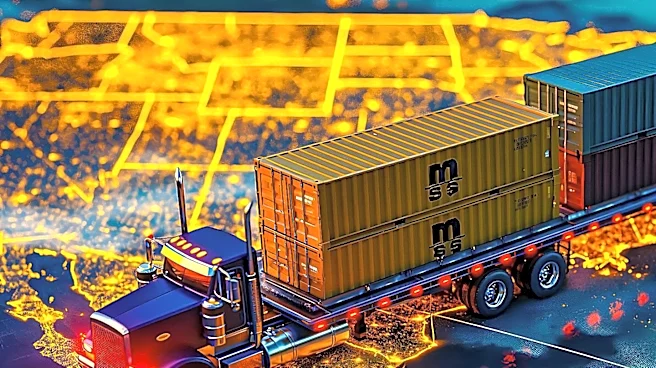
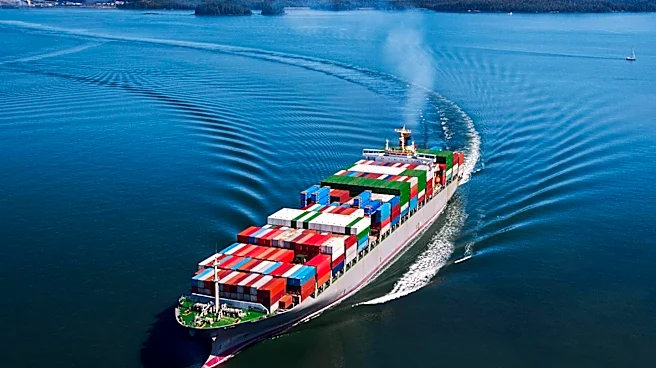
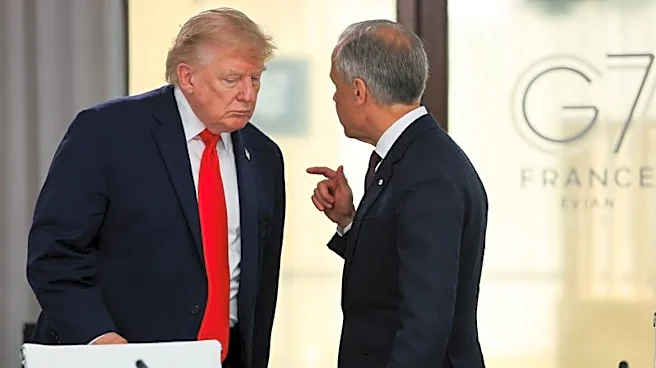
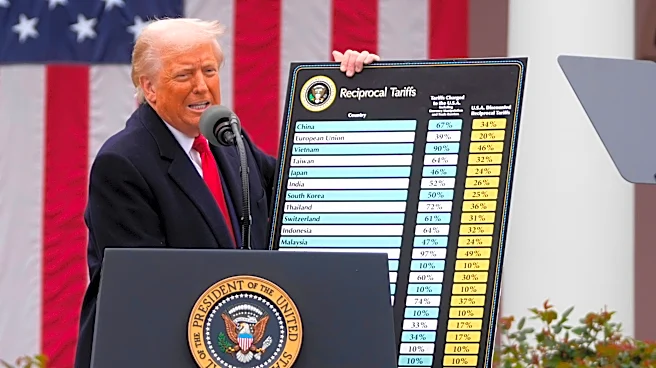
President Trump is preparing to impose new tariffs on products from numerous countries by Friday, as temporary 10% global duties are set to expire. The proposed tariffs, which could range from 10% to 12.5%, are aimed at countries accused of having lax
forced-labor standards. This move is part of the Trump administration's broader strategy to maintain its tariff regime and protect domestic industries. The administration has already announced plans to impose 50% tariffs on Canadian goods and 25% on Brazilian products, escalating trade tensions with these countries.
Why It's Important?
The imposition of new tariffs could have significant implications for global trade and the US economy. While the administration argues that tariffs are necessary to rebuild American manufacturing and protect domestic industries, critics warn that they could lead to higher consumer prices and strain international relations. The tariffs could also impact the US's trade relationships with key partners, potentially leading to retaliatory measures. As the US approaches midterm elections, the economic impact of these tariffs could influence voter sentiment and political dynamics.
What's Next?
The administration's decision to proceed with the tariffs will likely prompt reactions from affected countries, which may consider retaliatory measures. The situation could lead to further negotiations or disputes at international trade forums. Domestically, the impact of tariffs on consumer prices and industries will be closely watched, with potential implications for economic policy and political debates. The administration's commitment to tariffs, despite voter concerns, suggests that trade policy will remain a contentious issue in the lead-up to the elections.