

What's Happening?
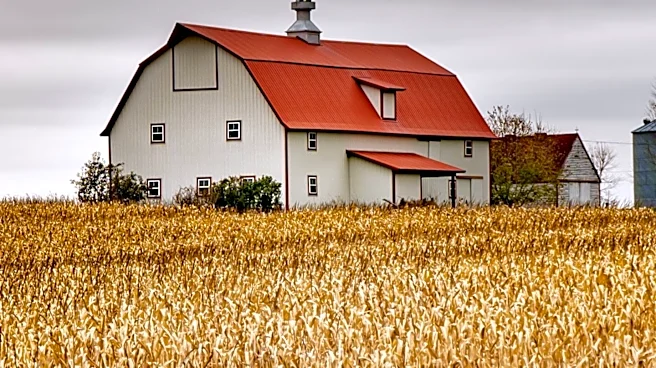
Due to ongoing drought conditions in Nebraska, pasture and hay supplies are limited, prompting farmers to explore alternative feed options such as grazing standing corn. With corn prices below production costs, grazing drought-stressed corn fields offers
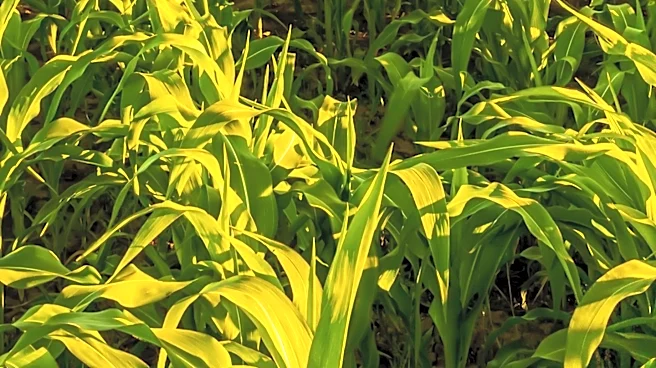
a viable solution for feeding cattle during the summer, fall, and winter. Nebraska Extension provides guidelines for utilizing corn as a grazing resource, emphasizing the importance of checking herbicide labels and managing nitrate risks. Grazing standing corn can be an efficient and cost-effective alternative to traditional feed, especially when strip-grazing techniques are employed to maximize utilization and minimize risks.
Why It's Important?
The drought in Nebraska has created significant challenges for cattle producers, necessitating innovative solutions to maintain livestock health and productivity. Grazing standing corn provides a high-energy forage option that can reduce feed costs and reliance on hay. This approach not only addresses immediate feed shortages but also offers a sustainable method for managing drought-stressed crops. By adopting strip-grazing techniques, producers can optimize feed efficiency and reduce the risk of acidosis, ensuring cattle receive adequate nutrition. This strategy highlights the adaptability of agricultural practices in response to environmental challenges, supporting the resilience of the livestock industry.
What's Next?
Farmers may continue to explore virtual fence technology as a tool for managing grazing areas, enhancing efficiency and containment. As drought conditions persist, ongoing research and extension services will be crucial in providing guidance on best practices for grazing standing corn. Collaboration between agricultural experts and producers will be essential to develop innovative solutions that address feed shortages and support sustainable livestock management. Monitoring weather patterns and crop conditions will inform future decisions on grazing strategies and feed resource management.
Beyond the Headlines
The shift towards grazing standing corn underscores the broader implications of climate change on agricultural practices. As traditional feed resources become scarce, farmers must adapt to new methods that balance economic viability with environmental sustainability. This situation highlights the importance of research and innovation in agriculture, driving the development of technologies and practices that enhance resilience. The integration of virtual fence technology represents a step towards modernizing livestock management, offering potential benefits in efficiency and resource conservation.