



What's Happening?
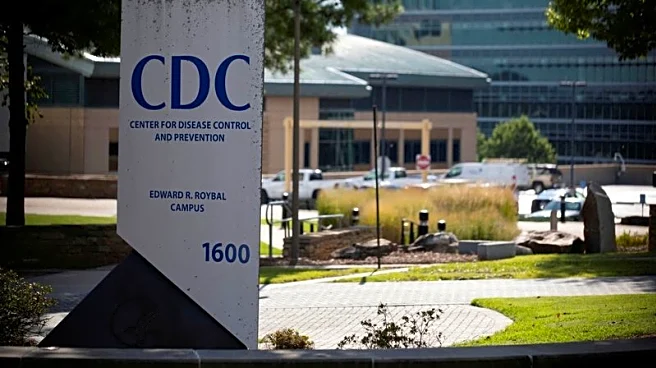
Ralph Abraham, the Principal Deputy Director of the Centers for Disease Control and Prevention (CDC), has resigned from his position, citing unforeseen family obligations. Abraham, who was appointed by Health and Human Services Secretary Robert F. Kennedy
Jr. in December 2025, served for just over two months before stepping down. His departure follows the recent exit of acting CDC Director Jim O’Neill, leaving the agency in a state of leadership transition. Abraham, a former Congressman and Louisiana surgeon general, is known for his skepticism towards vaccines and his opposition to mass vaccination campaigns, including those for COVID-19. During his tenure as Louisiana's surgeon general, he banned vaccine promotion campaigns and advocated for the use of ivermectin as a COVID-19 treatment, despite its debunked efficacy. The National Institutes of Health Director, Jay Bhattacharya, has temporarily assumed leadership of the CDC.
Why It's Important?
The resignation of Ralph Abraham from the CDC highlights ongoing leadership instability within the agency, which plays a crucial role in managing public health crises. Abraham's departure, coupled with his controversial stance on vaccines, underscores the challenges faced by the CDC in maintaining public trust and effectively managing health policies. His exit may impact the agency's efforts to promote vaccination and public health measures, potentially influencing public perception and compliance. The leadership changes at the CDC could also affect the agency's preparedness and response strategies, as new leaders may bring different priorities and approaches. This transition period is critical for the CDC to stabilize its leadership and continue its mission to protect public health.
What's Next?
With Jay Bhattacharya stepping in as the acting director, the CDC is expected to undergo further adjustments as it seeks a permanent leader. The agency will need to address any potential disruptions caused by the leadership changes and ensure continuity in its public health initiatives. Stakeholders, including public health officials and policymakers, will be closely monitoring the CDC's actions and decisions during this transition. The agency's ability to effectively communicate and implement health policies will be crucial in maintaining public confidence and achieving its objectives. Future appointments and policy directions will likely be scrutinized for their alignment with public health goals and scientific evidence.