






What's Happening?
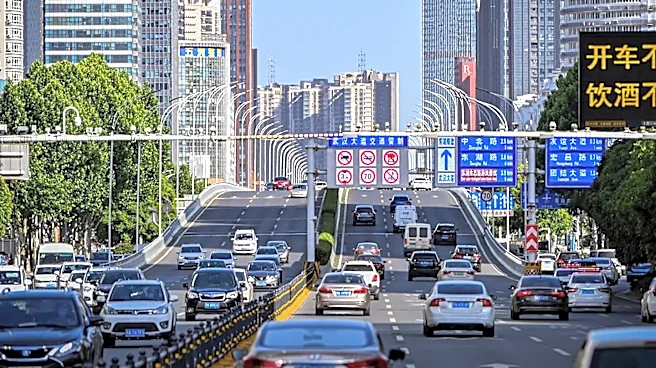
China's car imports fell by 11% in the first half of 2026, totaling 200,000 vehicles. This decline is attributed to a low base from late 2025 rather than a recovery in demand. Retail sales of imported cars dropped by 29%, with gasoline vehicles regaining
dominance over new energy vehicles (NEVs). The luxury car market showed mixed results, with some brands like Lexus maintaining sales, while others like Bentley and Rolls-Royce struggled. The China Passenger Car Association (CPCA) notes that purchasing power among ultra-high-end consumers has slowed.
Why It's Important?
The decline in car imports reflects broader economic challenges in China, including weakened consumer demand and disruptions from geopolitical tensions. The shift back to gasoline vehicles suggests a potential slowdown in the adoption of NEVs, which could impact global efforts to transition to cleaner energy sources. The luxury car market's struggles indicate pressure on high-end consumer spending, which could have ripple effects on related industries. These trends highlight the complexities of China's economic landscape and its influence on global markets.
What's Next?
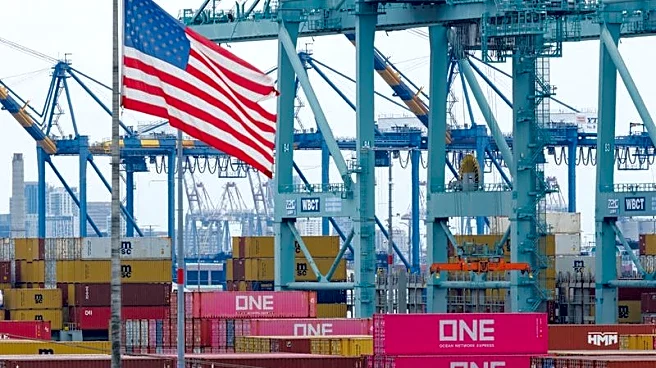
China's car import trends may continue to fluctuate based on economic conditions and consumer preferences. The government may implement policies to stimulate demand or support the NEV market. International automakers could adjust their strategies to align with changing market dynamics. The ongoing geopolitical situation, including tensions with the U.S., may further impact trade and economic relations.