








What's Happening?
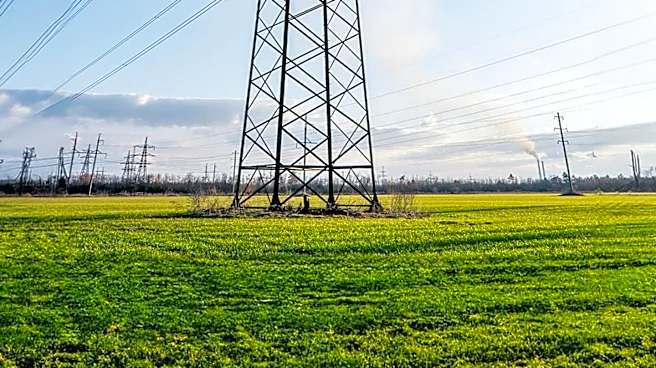
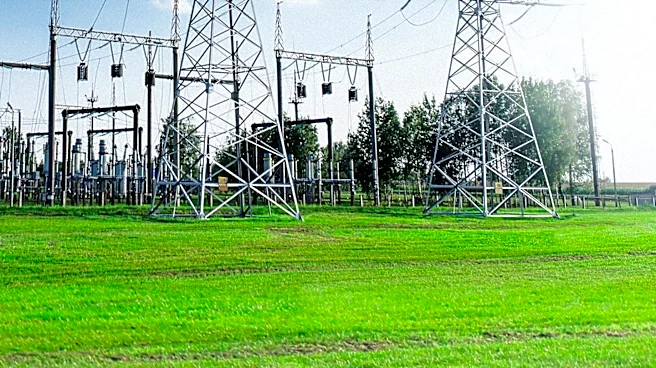
Texas regulators have given the green light to two significant transmission projects by Oncor Electric Delivery, totaling nearly $3.95 billion. These projects involve the construction of 424.2 miles of new 765-kilovolt power lines, with targeted completion
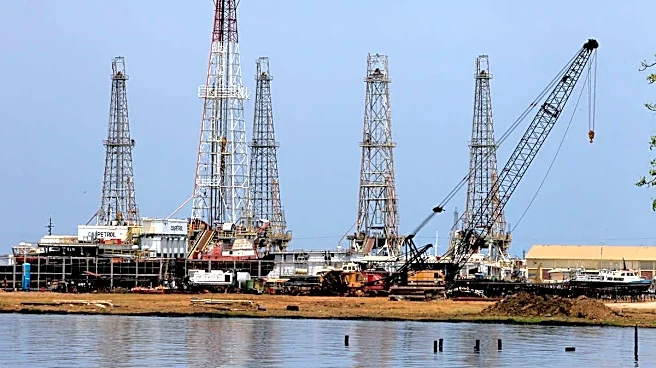
dates in 2028 and 2029. The Public Utility Commission of Texas (PUCT) approved the routes for the Dinosaur Switch-Longshore Switch and Longshore Switch-Drill Hole Switch lines. This decision came despite objections from Texas Attorney General Ken Paxton and the landowner advocacy group American Stewards of Liberty, who called for delays to allow for a broader review of the state's transmission buildout. Property owners expressed concerns about the potential impact on ranching, wildlife, scenic views, and land values. However, the PUCT concluded that Oncor had demonstrated a reasonable need for the projects, citing rising electricity demand from oil and gas operations, as well as projected growth from cryptocurrency mining, data centers, and hydrogen production. Texas Oil & Gas Association President Todd Staples also warned that delays could affect electricity reliability in West Texas.
Why It's Important?
This approval underscores the critical need for infrastructure expansion to meet the rapidly growing electricity demand in Texas, driven by industrial growth and emerging technologies. The significant investment in new power lines aims to enhance grid reliability and capacity, particularly in West Texas, which is vital for the state's energy sector and economic development. The tension between infrastructure development and landowner rights highlights a common challenge in large-scale public utility projects, where the broader societal benefit must be weighed against individual property concerns. The PUCT's decision to proceed despite calls for delay indicates a strong emphasis on ensuring energy security and preventing potential electricity reliability issues, which have historically been a concern in Texas. The costs of these projects will ultimately be recovered through electricity bills across the ERCOT system, impacting consumers.
What's Next?
Oncor Electric Delivery will proceed with the construction of the approved power lines, targeting completion in 2028 and 2029. The company plans to finance the construction through a combination of debt and equity. While the orders do not specify the exact impact on customer bills, the costs will eventually be passed on to electricity consumers within the ERCOT system. Landowner advocacy groups and the Attorney General may continue to monitor the projects and potentially explore further legal or regulatory avenues, though the PUCT's approval is a significant step. The state will likely continue to grapple with balancing rapid industrial and technological growth with environmental and property concerns as it modernizes and expands its energy infrastructure.
Beyond the Headlines
The approval of these power line projects reflects a broader national trend of increasing electricity demand, driven by data centers, AI, and industrial electrification, which is putting immense pressure on existing grid infrastructure. This situation forces states to make difficult decisions between rapid development and environmental/social impacts. The reliance on new transmission lines, rather than solely distributed generation, indicates a continued commitment to a centralized grid model, albeit with enhancements. The debate also touches upon the concept of 'eminent domain' and the public good versus private property rights, a recurring theme in infrastructure development. The long-term implications include not only the cost to consumers but also the potential for increased energy exports from Texas, further solidifying its role as a major energy producer in the U.S. and globally.