





What's Happening?
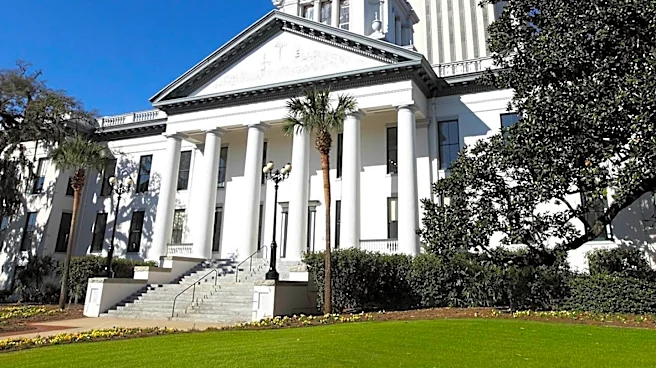
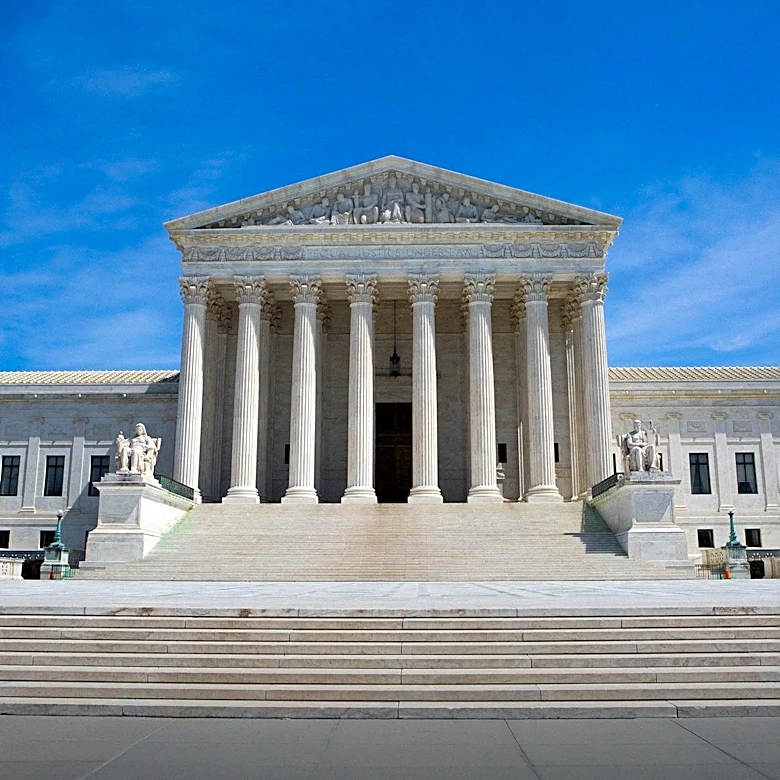
The Florida Supreme Court is set to decide on the constitutionality of Citizens Property Insurance's arbitration system. This system mandates certain policyholders to resolve disputes outside traditional courts, using a single administrative law judge.
Critics argue this process, funded by Citizens, creates a conflict of interest and denies homeowners their constitutional right to a jury trial. The case has gained attention following investigative reports highlighting that judges often rule in favor of Citizens. The outcome of this case could have significant implications for homeowners across Florida, as it may set a precedent for other insurers to adopt similar arbitration systems.
Why It's Important?
The decision by the Florida Supreme Court could reshape how insurance disputes are handled in the state. If the court sides with Citizens, it may pave the way for more insurers to implement arbitration systems, potentially limiting homeowners' ability to contest claims in court. This could lead to a significant shift in the balance of power between insurers and policyholders, affecting the rights of homeowners to seek fair compensation. Conversely, a ruling against Citizens could reinforce the importance of jury trials in insurance disputes, ensuring that policyholders retain their constitutional rights.
What's Next?
The Florida Supreme Court has not yet announced when it will deliver its ruling. The decision will be closely watched by legal experts, insurers, and policyholders alike. If the court rules against Citizens, it may prompt a reevaluation of arbitration systems across the state and potentially lead to legislative changes to protect homeowners' rights. On the other hand, a ruling in favor of Citizens could encourage other insurers to adopt similar arbitration processes, potentially leading to further legal challenges.