





What's Happening?
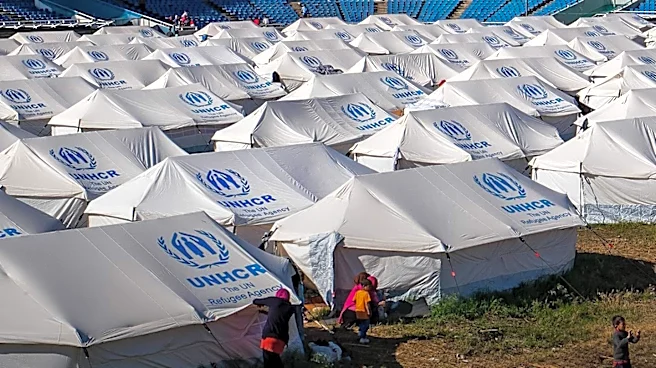
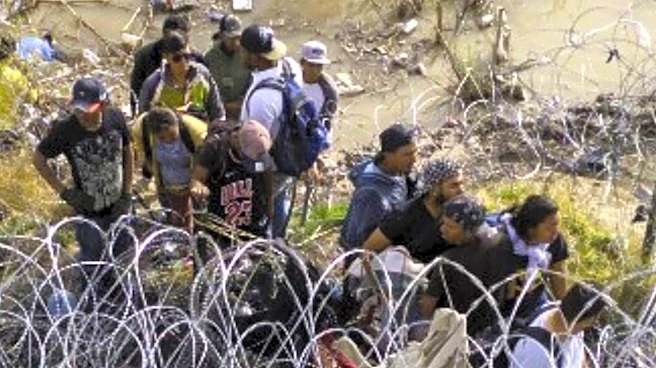
The United Nations High Commissioner for Refugees (UNHCR) has reported that over 117 million people were forcibly displaced worldwide in 2025, highlighting the urgent need for adequate mental health care for these populations. The report emphasizes the traumatic
experiences faced by refugees, asylum seekers, and internally displaced persons, who often endure prolonged displacement and lack access to essential services. The UNHCR notes that many refugees suffer from post-traumatic stress disorder (PTSD), depression, and anxiety, exacerbated by limited access to mental health care. The report calls for increased funding and culturally relevant mental health interventions to address these challenges.
Why It's Important?
The mental health crisis among forcibly displaced populations poses significant challenges to global humanitarian efforts. With millions of individuals experiencing trauma and limited access to care, there is a pressing need for international support and resources. Addressing mental health is crucial for the well-being and integration of refugees into host communities. The report underscores the importance of culturally sensitive care and the need for global cooperation to provide adequate support. Failure to address these issues could lead to long-term societal and economic impacts, as displaced populations struggle to rebuild their lives.
Beyond the Headlines
The report highlights the broader implications of neglecting mental health care for displaced populations, including the potential for transgenerational trauma and the impact on future generations. It calls for a shift in global priorities to recognize mental health as a fundamental human right and the need for community-based interventions. The UNHCR emphasizes the importance of training local mental health professionals and developing scalable interventions to meet the needs of diverse cultural backgrounds.