



What's Happening?
A dispute has arisen between KoBold Metals, a U.S. mining company backed by billionaires Jeff Bezos and Bill Gates, and Belgium's AfricaMuseum regarding the digitization of colonial-era mineral archives from the Democratic Republic of Congo (DRC). KoBold Metals has offered
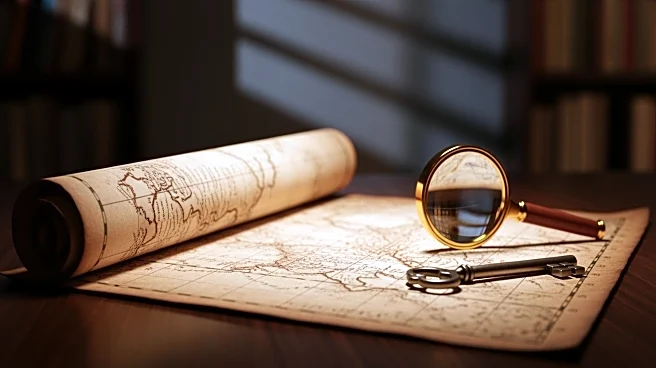
to digitize the extensive archive, which contains millions of documents detailing the mapping and exploitation of Congo's mineral wealth during colonial times. The company aims to make these documents publicly accessible to support investment in exploration. However, the Belgian museum, supported by Belgian authorities, has declined the offer, citing an existing project with the DRC to digitize the data, funded by the European Union. The museum director, Bart Ouvry, emphasized that delegating the management of collections to private companies would violate scientific and institutional ethics. KoBold Metals has received permits to search for minerals in the DRC and has agreements with Kinshasa to digitize data, including records held in Belgium.
Why It's Important?
The dispute highlights the growing global competition for critical minerals, with the DRC being rich in deposits of lithium, copper, cobalt, and coltan. As the demand for these minerals increases, particularly for use in batteries, electronics, and defense, securing access to reliable geological data becomes crucial. KoBold Metals' involvement in the digitization process could facilitate greater investment and exploration in the DRC, potentially reducing reliance on China for these materials. The Belgian museum's refusal to allow a private company to manage the digitization underscores the tension between public and private interests in the management of historical and scientific data. The outcome of this dispute could influence future collaborations between governments and private entities in the mining sector.
What's Next?
The Belgian museum is continuing its digitization efforts in collaboration with Congo's National Geological Service, with the project expected to take up to five years. Data will be shared in accordance with Belgian and European law. KoBold Metals may continue to seek access to the archives, potentially leveraging its agreements with the DRC government. The resolution of this dispute could set a precedent for how colonial-era archives are managed and accessed by private companies. As the global demand for critical minerals grows, other countries with similar archives may face similar challenges in balancing public and private interests.
Beyond the Headlines
The ethical considerations surrounding the management of colonial-era archives are significant. The Belgian museum's stance reflects broader concerns about the privatization of historical data and the potential loss of control over cultural heritage. The archives contain fragile, handwritten documents that are not fully inventoried, raising questions about the preservation and accessibility of such materials. The historical context of Belgium's colonial exploitation of Congo adds a layer of complexity to the dispute, as the country grapples with its colonial legacy. The digitization of these archives could provide valuable insights into the historical exploitation of Congo's resources, informing current and future mining practices.