
What's Happening?
The Cheyenne River Youth Project (CRYP) recently conducted two significant distribution events for families on the Cheyenne River Sioux Reservation. On August 17, CRYP, in collaboration with Partnership
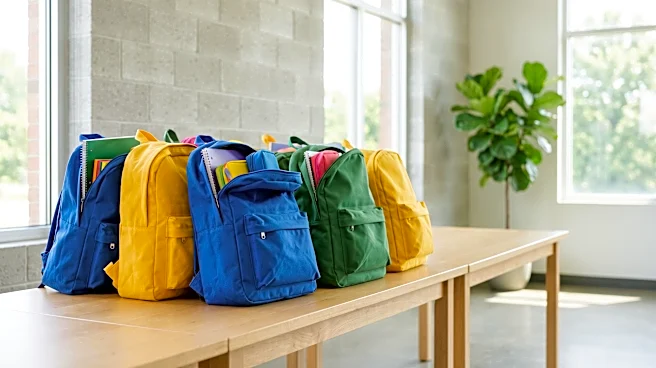
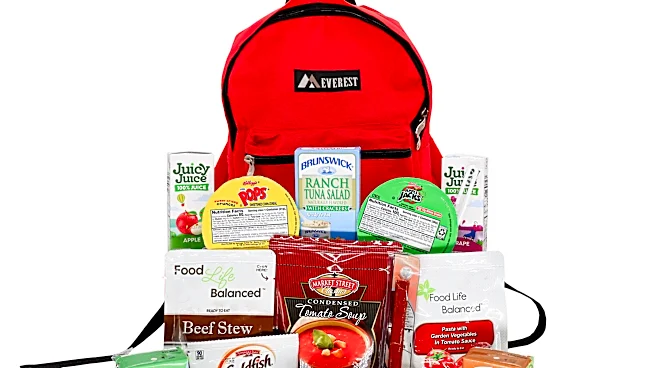
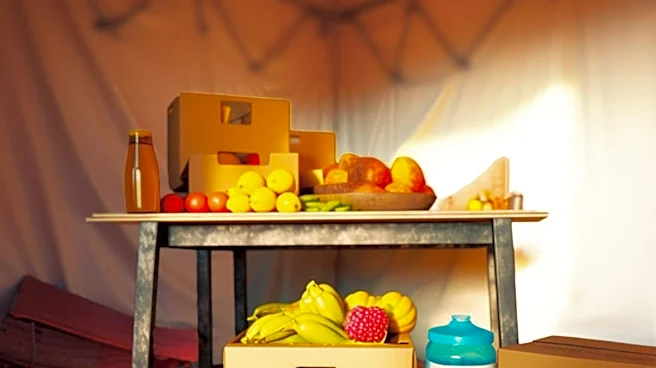
with Native Americans (PWNA) and Rillings Produce, distributed fresh fruits and vegetables to 337 families. The food boxes contained a variety of produce including sweet corn, watermelon, cantaloupe, onions, radishes, potatoes, tomatoes, zucchini, cucumbers, bell peppers, and carrots. Additionally, the Elderly Nutrition Center received a share of the produce, serving 65 elders, and 79 other community members later picked up remaining vegetables. Following this, on August 19, CRYP hosted its annual School Supplies Distribution at the Cokata Wiconi (Center of Life) Teen Center, providing essential school materials to 100 local families who are members of CRYP’s Family Services program. During this event, 82 families participated in a survey to help CRYP understand the impact of their distributions and the ongoing need for such support on the reservation.
Why It's Important?
These initiatives by the Cheyenne River Youth Project are crucial for addressing immediate needs within the Cheyenne River Sioux Reservation community. The distribution of fresh produce directly combats food insecurity, providing access to nutritious food that might otherwise be difficult for many families to obtain. This is particularly vital for the health and well-being of both children and elders. The school supplies distribution directly alleviates the financial burden on families, ensuring that children have the necessary tools to begin the school year successfully. This support can significantly impact academic performance and engagement, as students are better equipped for learning. By gathering survey data, CRYP is also able to gain deeper insights into the specific challenges faced by families, allowing for more targeted and effective future programming. This holistic approach addresses both basic sustenance and educational equity, fostering a more stable and supportive environment for the reservation's youth and their families.
What's Next?
The Cheyenne River Youth Project will likely continue to analyze the survey data collected from the 82 participating families to refine and enhance its Family Services program and future distribution efforts. This data will provide valuable insights into the specific needs and challenges faced by families on the Cheyenne River Sioux Reservation, potentially leading to adjustments in the types and quantities of supplies distributed, or the frequency of such events. CRYP will also continue to seek partnerships with organizations like Partnership with Native Americans and local suppliers such as Rillings Produce to sustain and expand its reach in providing essential resources. The ongoing success of these programs will depend on continued community engagement, donor support, and volunteer efforts, all of which CRYP will likely focus on strengthening to ensure long-term impact and support for the community.
Beyond the Headlines
The efforts of the Cheyenne River Youth Project extend beyond simple material aid; they represent a vital community-led response to systemic challenges faced by Native American reservations, including economic hardship and limited access to resources. By providing both fresh produce and school supplies, CRYP addresses fundamental aspects of well-being and opportunity. This work highlights the importance of local organizations in bridging gaps where broader governmental or economic structures may fall short. The act of distributing supplies and food also fosters a sense of community and support, which is crucial for resilience in underserved populations. Furthermore, the collection of family feedback through surveys demonstrates a commitment to understanding and responding to the community's evolving needs, promoting self-determination and culturally relevant solutions rather than top-down interventions. This model of community support is essential for sustainable development and empowerment within the reservation.