

What's Happening?
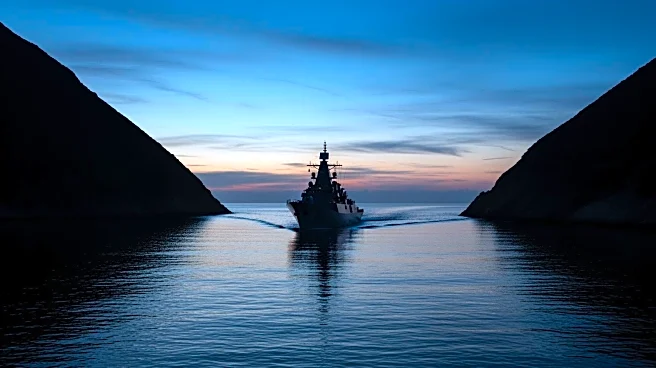
The UK, along with allies from Japan, Germany, France, Italy, and the Netherlands, has called on Iran to halt its attacks on energy sites and civilian infrastructure, which have led to significant disruptions in the Strait of Hormuz. This joint statement
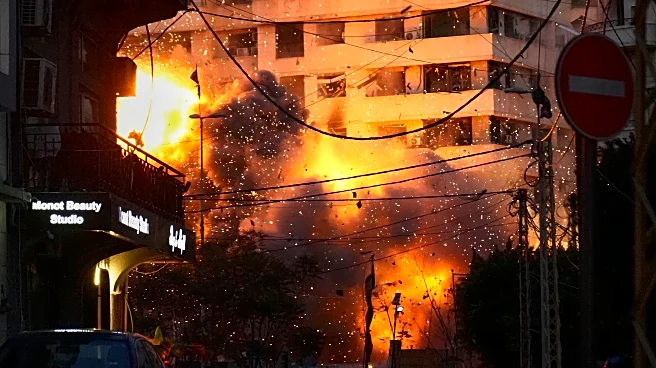
comes amid escalating tensions following retaliatory strikes by Iran in response to US-Israeli actions. The conflict has severely impacted global energy supply chains, causing oil and gas prices to rise. The leaders emphasized the threat to international peace and security posed by these disruptions and expressed their readiness to support efforts to ensure safe passage through the Strait. They also indicated plans to stabilize energy markets by working with certain producing nations to increase output.
Why It's Important?
The Strait of Hormuz is a critical chokepoint for global oil shipments, and its disruption has far-reaching implications for international trade and energy security. The rising oil and gas prices could exacerbate inflationary pressures worldwide, affecting economic stability and growth. The situation highlights the interconnectedness of global energy markets and the potential for regional conflicts to have widespread economic impacts. The call for de-escalation and coordinated international efforts to stabilize energy markets reflects the urgency of addressing these challenges to prevent further economic fallout.
What's Next?
The international community may increase diplomatic efforts to mediate the conflict and ensure the security of energy supply routes. There could be a coordinated release of strategic petroleum reserves to mitigate the impact of supply disruptions. Additionally, countries may explore long-term strategies to enhance energy security, such as investing in alternative energy sources and improving energy efficiency. The situation may also prompt discussions on the need for international frameworks to protect critical infrastructure and ensure freedom of navigation in key maritime routes.