





What's Happening?
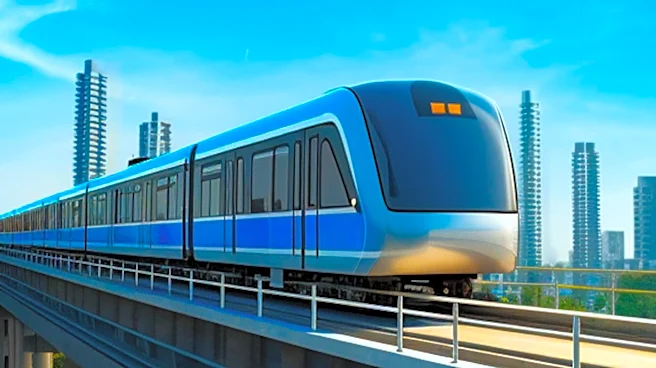
Austin Mayor Kirk Watson has announced that the Austin Transit Partnership (ATP) will commence planning for a potential light rail extension to Austin-Bergstrom International Airport (AUS). This initiative aims to connect the airport, which is currently
undergoing a $5 billion expansion, to the city's planned light rail system. The proposed extension would span approximately three miles, primarily elevated, and include a station at AUS. The planning phase is projected to last nine to twelve months, during which ATP will focus on cost analysis, funding strategies, and a streamlined federal environmental review process, as agreed upon by the Federal Transit Administration. Mayor Watson has challenged ATP to execute this project within the existing budget approved by voters, explicitly stating that no additional taxpayer funds should be requested. This move comes after key milestones for the first phase of light rail have been met, including the completion of the federal environmental review and securing major design and construction contracts.
Why It's Important?
This proposed light rail extension is significant for Austin's infrastructure and economic development. The Austin-Bergstrom International Airport is undergoing a substantial $5 billion expansion, and a direct light rail connection would greatly enhance accessibility for travelers and airport staff. Improved public transportation to the airport could alleviate traffic congestion on surrounding roadways and reduce the demand for parking, a current challenge at AUS. For residents and visitors, it offers a more sustainable and efficient mode of transport, aligning with broader urban planning goals for reduced carbon emissions and enhanced mobility. The Mayor's insistence on utilizing the existing voter-approved budget without seeking new taxpayer dollars is crucial for maintaining public trust and fiscal responsibility, potentially setting a precedent for future large-scale public works projects in the city. This development could also influence real estate values and business growth along the proposed route, particularly in areas that would benefit from increased connectivity to the airport.
What's Next?
Over the next nine to twelve months, the Austin Transit Partnership will conduct detailed planning, including developing a comprehensive cost estimate and analyzing how the extension can be funded through its Proposition A contract revenue budget. ATP will also explore additional funding avenues, such as potential federal support. A separate federal environmental review for the extension will be initiated, with the Federal Transit Administration agreeing to a streamlined process for an Environmental Assessment. ATP plans to coordinate closely with airport teams to integrate a future station into the new Arrivals and Departures Hall and with TxDOT for improvements along SH 71. The ATP board will receive regular updates as the planning progresses, with the final route, cost, and funding plan subject to further study and approval. The success of this planning phase will determine the feasibility and timeline for the construction of the airport light rail extension.
Beyond the Headlines
The push for a light rail extension to Austin-Bergstrom International Airport highlights a broader national trend in urban centers to integrate major transportation hubs with public transit networks. This initiative reflects a growing recognition of the economic and environmental benefits of multimodal transportation systems. Ethically, the Mayor's commitment to avoiding new taxpayer dollars for this extension underscores a principle of fiscal prudence and accountability, which can be a contentious issue in large infrastructure projects. Legally, the streamlined environmental review process by the Federal Transit Administration could serve as a model for accelerating similar projects nationwide, balancing environmental considerations with the urgent need for infrastructure development. Culturally, a successful light rail connection could transform the travel experience for millions, fostering a more interconnected and accessible urban environment, and potentially influencing how other rapidly growing U.S. cities approach their own transit challenges.