

What's Happening?
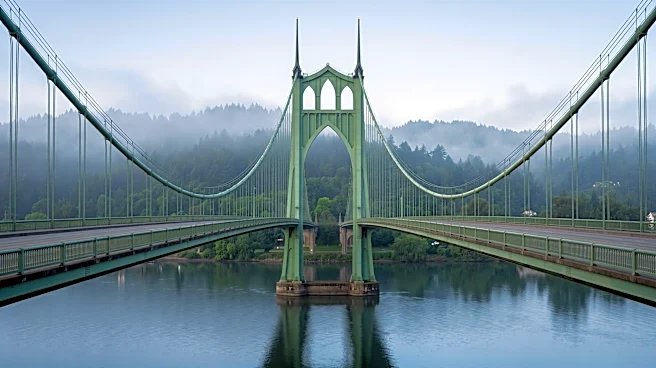
Oregonians have identified maintaining and preserving highways and bridges, along with improving safety, as their top priorities for the Oregon Department of Transportation (ODOT) to address a projected $200 million budget gap in the 2027-29 budget cycle.
A survey conducted between August and September by a workgroup established by Governor Tina Kotek, which included responses from approximately 8,650 residents across nearly all Oregon counties, revealed these preferences. Over 60% of respondents were from the Portland metro area. The survey asked participants to rank six transportation priorities, allocate funding percentages, and describe the impact of potential service reductions. Maintaining the existing transportation system, preserving key assets like bridges and roads, and improving safety were consistently ranked highest. Many respondents also expressed frustration with cuts to public transit, particularly TriMet in Portland, and called for more cost-effective project completion and no new taxes.
Why It's Important?
The survey results highlight a critical juncture for Oregon's transportation policy and funding. The public's clear preference for maintaining existing infrastructure and enhancing safety over other priorities like traffic flow or public transit expansion indicates a desire for foundational stability in the state's transportation network. This feedback will directly influence the recommendations Governor Kotek's workgroup presents by the end of the year, potentially shaping how the state allocates resources and addresses its budget shortfall. The strong sentiment against new taxes and calls for increased efficiency suggest that any proposed solutions will face scrutiny regarding fiscal responsibility. The emphasis on public transit, especially from those who rely on it due to affordability or health issues, underscores the social equity dimensions of transportation planning and the potential impact on vulnerable populations if these services are not adequately funded or maintained.
What's Next?
Governor Kotek's workgroup is scheduled to review the survey findings at its next meeting on November 10. Following this, the group is tasked with presenting its comprehensive transportation funding recommendations to the Governor by the end of the year. These recommendations will likely form the basis for legislative proposals and budget decisions aimed at addressing the $200 million budget gap. Stakeholders, including public transit advocates, environmental groups, and taxpayers, will be closely watching these developments. The strong public opinion against new taxes and for increased efficiency suggests that the workgroup will need to propose innovative or politically palatable solutions to secure the necessary funding without alienating a significant portion of the electorate. The ongoing debate will also likely influence future infrastructure projects and the long-term strategic direction of ODOT.
Beyond the Headlines
The survey's findings reveal a deeper public discourse about the role of government in providing essential services and managing public funds. The call for cost-effective projects and resistance to new taxes reflects a broader national sentiment regarding fiscal conservatism and accountability. Furthermore, the significant number of comments advocating for wildlife crossings, despite it not being a listed priority, indicates a growing public awareness and concern for environmental impacts of infrastructure development. This suggests that future transportation planning in Oregon may need to integrate ecological considerations more prominently, potentially leading to innovative solutions that balance human mobility with wildlife conservation. The tension between maintaining existing infrastructure, expanding public transit, and addressing environmental concerns within a constrained budget highlights the complex challenges facing state governments in balancing diverse public needs and priorities.