





What's Happening?
The importance of HACCP-compliant storage solutions in maintaining food safety has been highlighted. HACCP, or Hazard Analysis and Critical Control Points, is a globally recognized system designed to prevent food safety hazards. It focuses on identifying
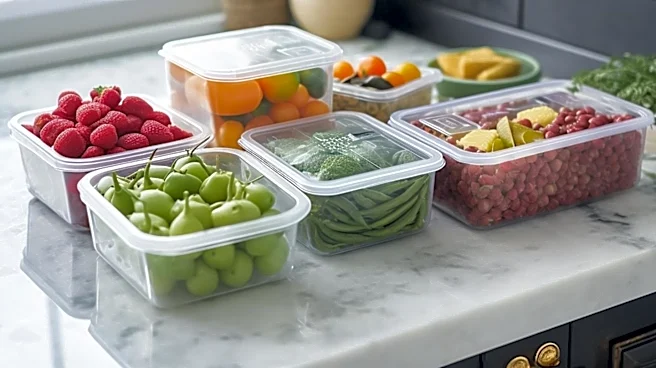
potential biological, chemical, and physical hazards in the food supply chain and implementing controls to mitigate these risks. Storage plays a critical role in this system, as it is where perishable goods are kept before consumption. Proper storage equipment and conditions are essential to prevent contamination and ensure food safety.
Why It's Important?
HACCP compliance is crucial for preventing foodborne illnesses, which affect millions annually. By focusing on prevention rather than reactive measures, HACCP helps maintain the integrity of the food supply chain. Businesses that adhere to these standards can avoid costly recalls, legal issues, and damage to their reputation. Consumers benefit from safer food products, reducing the risk of illness. The emphasis on HACCP-compliant storage solutions underscores the need for businesses to invest in proper equipment and training to meet these standards.
What's Next?
As food safety regulations continue to evolve, businesses will need to stay updated on HACCP requirements and ensure their storage solutions meet these standards. This may involve upgrading equipment, implementing new monitoring technologies, and training staff on best practices. Regulatory bodies may increase inspections and audits to ensure compliance. The industry could see a shift towards more sustainable and hygienic storage materials, such as food-grade plastics, to further enhance safety.