
What's Happening?
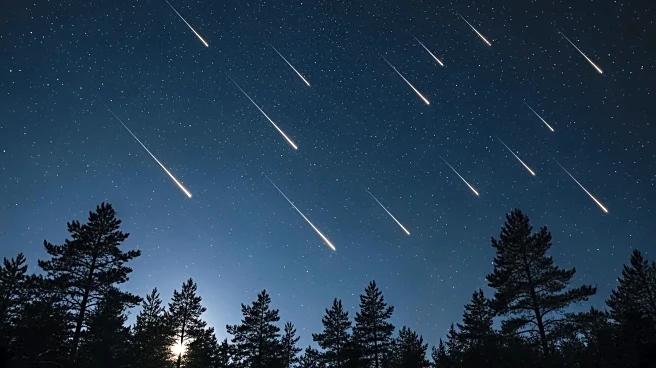
The Ursid meteor shower is set to peak on the night of December 21-22, 2025, coinciding with the winter solstice, which marks the longest night of the year in the Northern Hemisphere. This annual meteor shower, active from December 13 through December 26,
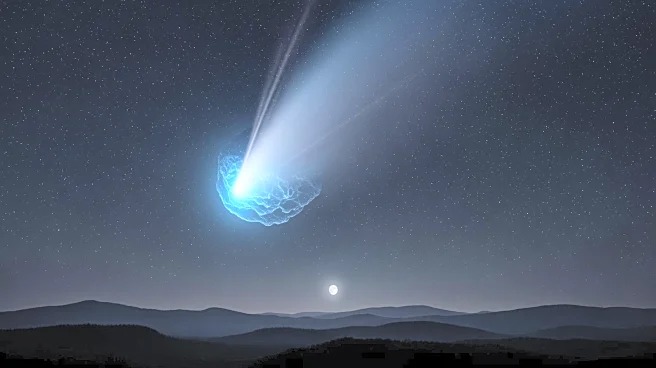
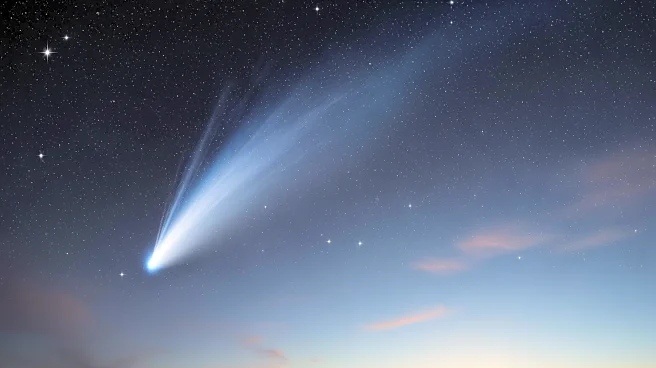
is expected to be more visible this year due to the absence of moonlight, as a new moon occurs just days before the peak. The Ursids, originating from dust and debris left by Comet 8P/Tuttle, typically produce five to ten meteors per hour. However, historical records indicate that outbursts of up to 100 meteors per hour have occurred in the past. The best viewing time is expected to be in the pre-dawn hours of December 22, when the shower's radiant point, the star Kochab in the constellation Ursa Minor, is highest in the sky.
Why It's Important?
The Ursid meteor shower offers a unique opportunity for stargazers and astronomy enthusiasts to observe a celestial event under optimal conditions, thanks to the new moon's absence. This event not only provides a chance for scientific observation and photography but also serves as a reminder of the natural wonders visible from Earth. The meteor shower's timing with the winter solstice adds to its significance, as it occurs during a period of cultural and historical importance in many societies. The visibility of such events can inspire interest in astronomy and science, potentially influencing educational pursuits and public interest in space exploration.
What's Next?
Following the Ursid meteor shower, the next major meteor event will be the Quadrantids, expected to peak on January 2-3, 2026. This shower is known for its high meteor rates, although it will coincide with the full 'Wolf Moon,' which may affect visibility. Stargazers and astronomers will likely prepare for this event, considering the challenges posed by the moonlight. Additionally, the continued observation of meteor showers contributes to the understanding of cometary debris and its impact on Earth's atmosphere, providing valuable data for scientific research.