



What's Happening?
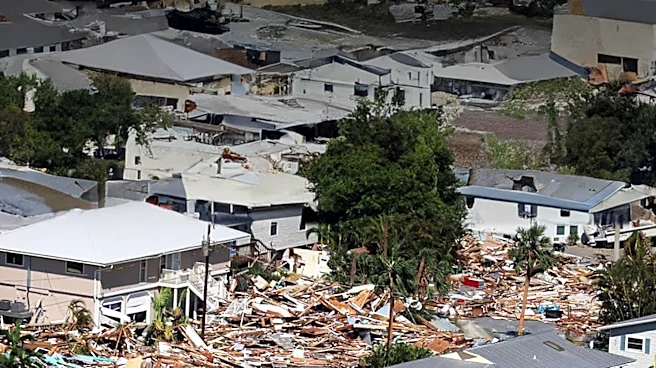
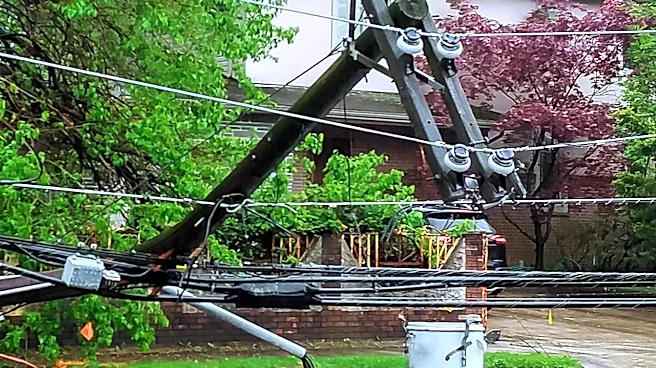
Recent power outages in Watsonville, California, have left thousands without electricity, underscoring significant vulnerabilities in local infrastructure. These disruptions are attributed to a combination of aging equipment, escalating wildfire risks,
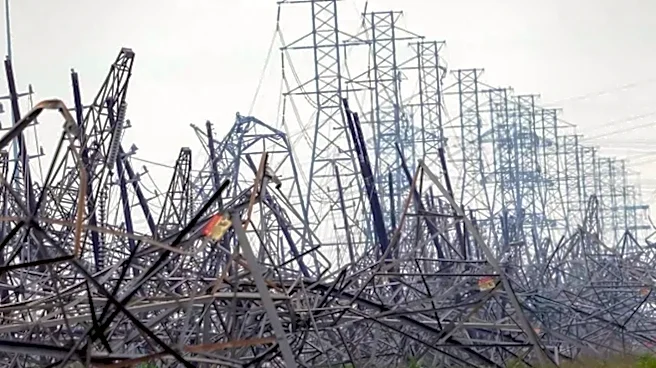
and extreme weather patterns exacerbated by climate change. Utility companies, including PG&E, acknowledge these challenges and are investing heavily in modernization efforts. The long-term solution involves transitioning from a passive, centralized system to a more resilient, responsive network. This includes hardening infrastructure through measures like burying power lines, reinforcing poles, and enhanced vegetation management. Additionally, embracing smart grid technology, such as automated switches, advanced metering infrastructure (AMI), and distributed energy resources (DERs), is crucial for more efficient monitoring, management, and restoration of electricity.
Why It's Important?
The situation in Watsonville is a microcosm of broader challenges facing the U.S. electrical grid. Aging infrastructure across the nation is increasingly susceptible to failure, especially with the rise in severe weather events. These outages cause significant residential disruption, impacting critical medical devices and daily life, and impose substantial economic strain on businesses through lost revenue and spoiled inventory. Critical infrastructure, including healthcare facilities, public safety services, and water treatment plants, also faces severe vulnerabilities during prolonged power losses. The push for grid resilience is therefore vital for national security, economic stability, and public health. Investments in hardening infrastructure and smart grid technologies are essential to protect communities, ensure reliable power delivery, and support the integration of renewable energy sources, which are often more susceptible to grid instability.
What's Next?
Utility companies like PG&E are committed to continued investments in building a safer, more reliable, and resilient grid. This will involve ongoing efforts to physically strengthen infrastructure against environmental elements and deploy advanced digital technologies. The focus will be on automating fault detection and isolation, improving real-time monitoring capabilities, and integrating localized power sources to provide backup during grid failures. Regulatory bodies and state governments will likely continue to push for these upgrades, potentially through mandates and funding initiatives. The experiences from communities like Watsonville will serve as critical case studies, driving further innovation and investment in grid technology to adapt to the increasing demands and environmental pressures on the U.S. electrical system. The goal is to create a grid that can adapt to what comes next, ensuring continuous power delivery.
Beyond the Headlines
The recurring power outages in Watsonville reveal deeper societal and environmental implications. They highlight the disproportionate impact of infrastructure failures on vulnerable populations, such as the elderly or those reliant on medical equipment. The increasing frequency of extreme weather events underscores the urgent need for climate adaptation strategies within infrastructure planning. The debate over burying power lines, while expensive, points to a long-term investment in resilience that could prevent future economic and social costs. Furthermore, the adoption of smart grid technologies and distributed energy resources represents a move towards a more decentralized and democratic energy system, potentially empowering communities with greater control over their power supply. This ongoing transformation of the grid is not merely a technical upgrade but a fundamental re-evaluation of how society ensures access to a reliable and sustainable energy future in the face of evolving challenges.