










What's Happening?
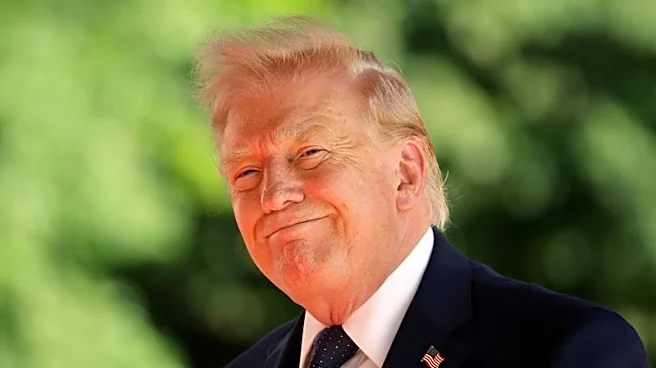
The Federal Communications Commission (FCC) has expedited the license renewal process for ABC's local television stations, a move perceived by some as politically motivated. This decision follows lobbying efforts by President Trump and his wife, Melania,
to cancel ABC's late-night show hosted by Jimmy Kimmel. The FCC's action is part of an investigation into Disney's diversity, equity, and inclusion practices, although ABC argues this is a pretext for retaliation against the network. The public has until June 29 to submit comments on the license renewal, and ABC has a month to respond to any petitions to deny their renewals. The process could lead to a full trial or hearings by the FCC commissioners, potentially extending beyond President Trump's term.
Why It's Important?
This development is significant as it highlights the ongoing tensions between the Trump administration and media companies. The FCC's decision could set a precedent for how media licenses are reviewed and renewed, potentially impacting the operations of major networks. Critics argue that the move could discourage corporate diversity initiatives and pressure broadcasters based on political disagreements rather than established legal standards. The outcome of this process could affect ABC's ability to operate its stations and influence the broader media landscape in the U.S.
What's Next?
ABC is preparing for a legal battle, having hired a Supreme Court litigator to represent them. The network argues that the FCC's actions are punitive and could result in a lengthy and costly legal process. If the FCC decides to revoke ABC's licenses, the decision could be appealed, potentially leading to a protracted legal battle. Meanwhile, the FCC is also investigating ABC's talk show 'The View' for potential violations of equal-time rules, which could further complicate the network's situation.
Beyond the Headlines
The FCC's actions against ABC could have broader implications for media freedom and the regulatory environment in the U.S. The case raises questions about the balance between government oversight and media independence, as well as the role of political influence in regulatory decisions. The outcome could influence how other media companies approach diversity and inclusion initiatives, as well as their editorial content, to avoid similar scrutiny.