



What's Happening?
Russia's military campaign in Ukraine is facing significant challenges as its territorial gains have reportedly turned negative for the first time since 2023. According to the Ukrainian monitoring group DeepState, Russia's advances in May were minimal,
with only 14 square kilometers of Ukrainian territory occupied. This development comes despite a 37.5% increase in Russian assault actions. Ukrainian forces have been successful in reclaiming more territory than Russia has occupied, pushing Russian advances into the negative. The situation is compounded by increased Ukrainian drone strikes disrupting Russian supply lines and oil facilities, further straining Russia's military efforts. Additionally, Russian drone attacks across Ukraine have resulted in casualties and infrastructure damage, with significant strikes reported in Odesa and other regions.
Why It's Important?
The decline in Russia's territorial gains highlights the resilience and effectiveness of Ukrainian defense strategies, supported by Western allies. This shift in momentum could influence the broader geopolitical landscape, potentially affecting Russia's strategic objectives and its ability to sustain prolonged military operations. The increased pressure on Russian forces may lead to heightened domestic dissatisfaction and calls for a resolution to the conflict. For Ukraine, maintaining and expanding these gains could bolster its position in any future peace negotiations, while continued Western support remains crucial for sustaining its defense capabilities.
What's Next?
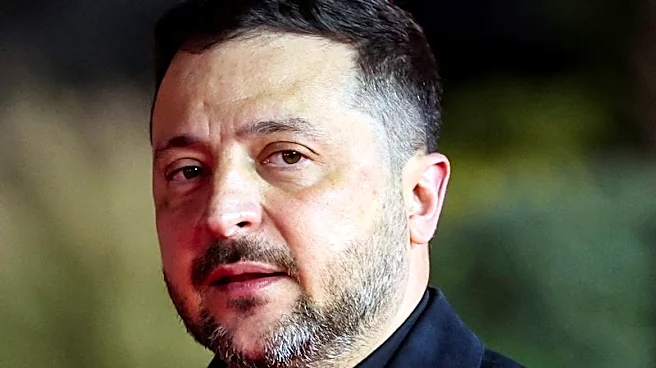
As the conflict continues, the focus will likely be on Ukraine's ability to maintain its momentum and capitalize on its recent successes. The Ukrainian government, led by President Volodymyr Zelensky, aims to end the conflict before winter, a goal deemed realistic by officials like Kyrylo Budanov. The international community will be watching closely for any shifts in Russian strategy or potential diplomatic overtures. Meanwhile, the humanitarian impact of ongoing hostilities remains a critical concern, with efforts needed to address the needs of affected civilians and rebuild damaged infrastructure.
Beyond the Headlines
The ongoing conflict has broader implications for international security and the global balance of power. It underscores the importance of international alliances and the role of military technology in modern warfare. The situation also raises ethical questions about the use of drones and the impact of warfare on civilian populations. Long-term, the conflict could influence global energy markets and economic stability, particularly in Europe, as countries navigate the geopolitical ramifications of the war.