


What's Happening?
The Trump administration is moving forward with plans to rescind a quarter-century-old rule that has blocked logging, road building, and other development on national forest lands. The U.S. Forest Service is filing a proposal to scrap the 'roadless rule,'
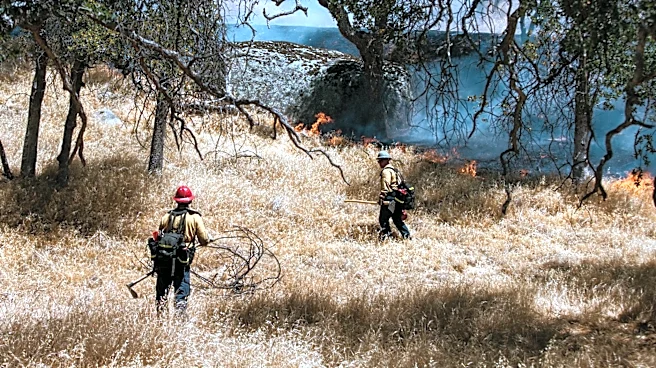
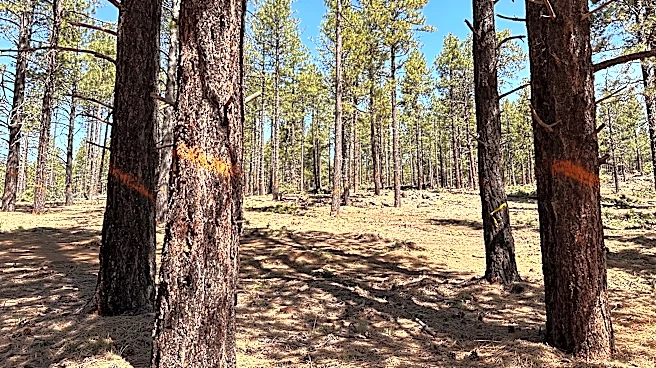
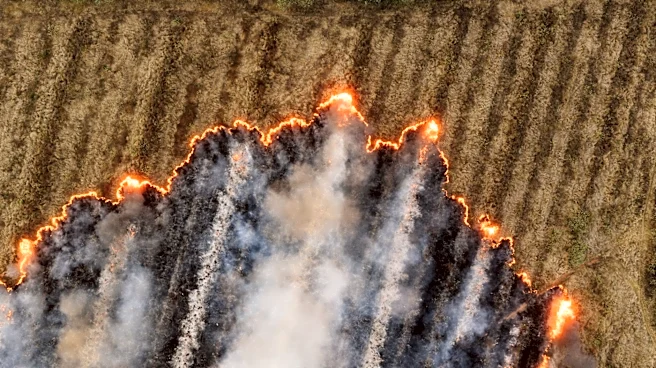
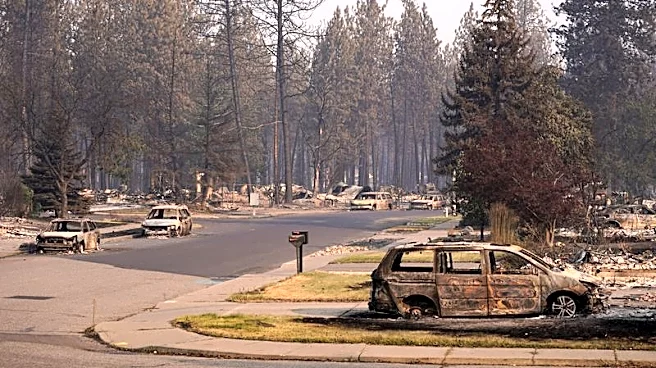
which was adopted in 2001 during the final days of President Bill Clinton's administration. U.S. Agriculture Secretary Brooke Rollins stated that the rule is a 'one-size-fits-all restriction' that has hindered land managers and prevented efforts to reduce wildfire risks. The administration argues that forests are becoming 'tinderboxes' due to overgrown stands, insect outbreaks, and disease, and that the rule has prevented necessary forest health improvements. The roadless rule currently affects approximately 59 million acres, or 30% of national forest lands nationwide.
Why It's Important?
This decision carries significant implications for environmental conservation, land management, and the timber industry across the U.S., particularly in states like Oregon with vast national forests. Environmental groups, such as WildEarth Guardians and the Sierra Club, are strongly opposing the move, arguing it will have detrimental effects on old-growth forests, wildlife habitats, and water supplies. They contend that removing these protections could lead to increased logging and road construction, potentially exacerbating wildfire risks rather than mitigating them. Conversely, the administration and its supporters believe that greater flexibility in forest management, including targeted logging and road access, is crucial for reducing fuel loads and preventing catastrophic wildfires. The proposal also raises questions about the balance between economic development, resource extraction, and ecological preservation on public lands.
What's Next?
The U.S. Forest Service will now gather public comments on the proposal and a draft environmental impact statement, with a deadline of September 21. While the rescission would remove the national designation of roadless areas, officials state it does not mandate timber cutting or road construction. Environmental organizations have vowed to fight the proposal at every step, indicating potential legal challenges and continued public advocacy. The outcome of the public comment period and any subsequent legal battles will determine the future of these protected national forest lands. This process will likely involve intense debate among various stakeholders, including environmentalists, timber companies, local communities, and government agencies, as they weigh the economic, ecological, and social impacts of the proposed changes.
Beyond the Headlines
The debate over the roadless rule extends beyond immediate land use, touching upon fundamental questions of federal land management philosophy and the role of government in environmental protection. Critics of the rescission, like David Jenkins of Conservatives for Responsible Stewardship, highlight the fiscal irresponsibility of expanding road networks when the agency already faces a multi-billion dollar maintenance backlog for existing infrastructure. This suggests a deeper issue of resource allocation and long-term planning for public lands. The move also reflects a broader ideological divide on how to best manage natural resources in the face of climate change and increasing wildfire frequency. It underscores the tension between conservation efforts aimed at preserving pristine wilderness and management strategies focused on active intervention to prevent natural disasters, with each approach having significant long-term ecological and economic consequences.