



What's Happening?
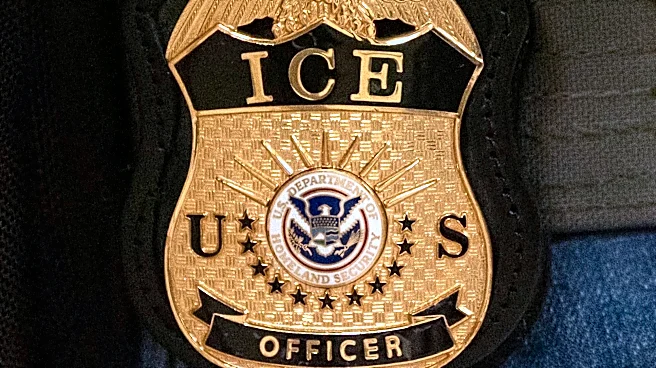
Luis Morales, a Houston-area pastor, was detained by ICE agents at George Bush Intercontinental Airport while attempting to travel to New York with his wife. Morales, who leads four Adventist churches in the Houston area, came to the United States from
Venezuela with his wife, Karina, and their two daughters in 2020. The family initially entered on tourist visas and subsequently applied for asylum. According to ICE, Morales legally entered the U.S. in January 2020 but was required to depart by July of the same year. Although he later received Temporary Protected Status (TPS), this protection was revoked in November 2025. His wife, Karina Morales, stated that their asylum case is still pending, and they had not received any deportation orders prior to his detention. Morales is currently being held at an ICE detention center in Livingston.
Why It's Important?
This incident highlights the complexities and challenges within the U.S. immigration system, particularly concerning individuals with pending asylum claims or evolving immigration statuses. The detention of a pastor, a community leader, can draw significant attention to the enforcement practices of ICE and raise questions about due process and communication regarding immigration status changes. For immigrant communities in the U.S., such events can foster fear and uncertainty, impacting their willingness to engage with official processes or travel, even domestically. It also underscores the potential for individuals to be unaware of critical changes to their legal status, leading to unexpected detentions. The case could prompt discussions among advocacy groups and policymakers regarding the clarity of immigration policies, the provision of legal counsel, and the humanitarian implications of detentions, especially for families.
What's Next?
Luis Morales remains in ICE custody, and his family is seeking answers regarding his situation. The immediate next steps will likely involve legal efforts by Morales's family and their representatives to understand the specifics of his detention and to pursue his release or challenge the revocation of his TPS and the status of his asylum application. This could involve court hearings or appeals to immigration authorities. The case may also attract attention from religious organizations and immigrant advocacy groups, potentially leading to public campaigns or legal support initiatives. The outcome of Morales's case could influence how similar situations are handled in the future, particularly for individuals with pending asylum claims or those who have experienced changes in their protected status. The family's experience may also prompt broader discussions about the need for clearer communication from immigration agencies regarding status updates and potential enforcement actions.
Beyond the Headlines
The detention of Pastor Morales transcends a singular immigration case, touching upon broader societal and legal themes. It underscores the tension between immigration enforcement and community integration, particularly for individuals who have established lives and contributed to their local areas. The narrative of a pastor, a figure often associated with moral guidance and community support, being detained, can evoke strong emotional responses and fuel debates about the human impact of immigration policies. This incident also highlights the intricate and often opaque nature of U.S. immigration law, where legal statuses can change, and individuals may not always be fully informed or understand the implications. It raises questions about the balance between national security, legal compliance, and humanitarian considerations, and how these are navigated in individual cases, potentially influencing public perception and future policy reforms related to asylum seekers and those with temporary protected statuses.