







What's Happening?
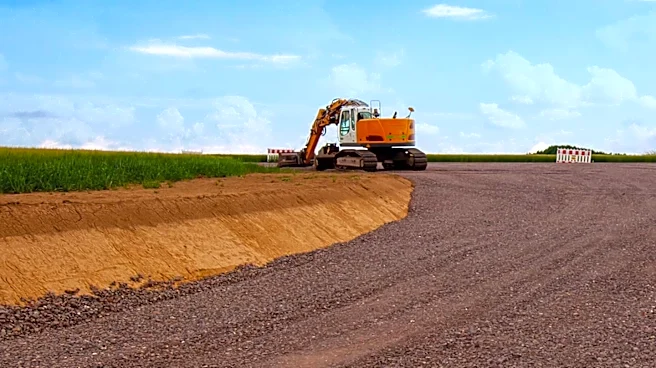
Tulsa County District 2 Commissioner Lonnie Sims has successfully completed a significant road repaving project in Buford Colony, a historic Black community located west of Sand Springs. This community, founded in 1906 by John Buford, served as a refuge
for Black families following the 1921 Tulsa Race Massacre and has not seen its roads repaved in over 40 years. The two-month project, which commenced in May and concluded on September 5, involved the complete reconstruction of the roadbed and the application of a double chip seal across four miles of road. Commissioner Sims noted that the project required warmer and drier weather conditions due to the specific asphalt oil used. He emphasized that addressing the underlying subgrade failures during this reconstruction means future maintenance will be considerably less intensive. This initiative fulfills a promise made over a decade ago, with Sims prioritizing outstanding road commitments upon taking office approximately a year and a half ago.
Why It's Important?
The completion of the repaving project in Buford Colony holds significant importance for the community and the broader western Tulsa County area. For residents, the improved roads will enhance daily life by making access easier for personal travel, maintenance crews, and essential delivery services like Amazon. This upgrade to critical infrastructure is expected to draw renewed attention to the area, potentially leading to an increase in property values and fostering economic growth within western Tulsa County. Historically, the neglect of these roads for over four decades highlighted a disparity in infrastructure development. The current project not only rectifies this long-standing issue but also demonstrates a commitment to equitable development and honoring historical communities. The improved roadbed also signifies a more sustainable approach to infrastructure, reducing the need for frequent, costly repairs in the future and ensuring better long-term resource management for Tulsa County.
What's Next?
Following the completion of the repaving project, the immediate next steps will likely involve monitoring the new roadbed's performance and assessing its impact on the Buford Colony community. Commissioner Sims anticipates that the improved infrastructure will attract further development and investment, potentially leading to increased property values and population growth in western Tulsa County. Local officials may engage with residents and businesses to gauge the positive effects and identify any new needs that arise from the enhanced accessibility. The success of this project could also serve as a model for addressing similar long-neglected infrastructure issues in other historic or underserved communities within Tulsa County, potentially prompting further initiatives to upgrade roads and public services. Additionally, the reduced maintenance requirements for the new roadbed will free up county resources that can be reallocated to other pressing infrastructure projects or community services.
Beyond the Headlines
Beyond the immediate practical benefits, the repaving of Buford Colony's roads carries deeper implications related to historical equity and community recognition. The fact that these roads had not been repaved in over 40 years underscores a historical pattern of underinvestment in certain communities, particularly those with significant Black heritage. The completion of this project, therefore, represents more than just infrastructure improvement; it symbolizes a commitment to rectifying past oversights and acknowledging the historical significance of Buford Colony, which served as a refuge after the 1921 Tulsa Race Massacre. This initiative can foster a stronger sense of belonging and pride among residents, potentially revitalizing community engagement and preserving its unique cultural identity. It also highlights the importance of local government accountability in fulfilling long-standing promises and ensuring that all communities, regardless of their historical context or demographic makeup, receive equitable access to essential public services and infrastructure.






