
What's Happening?
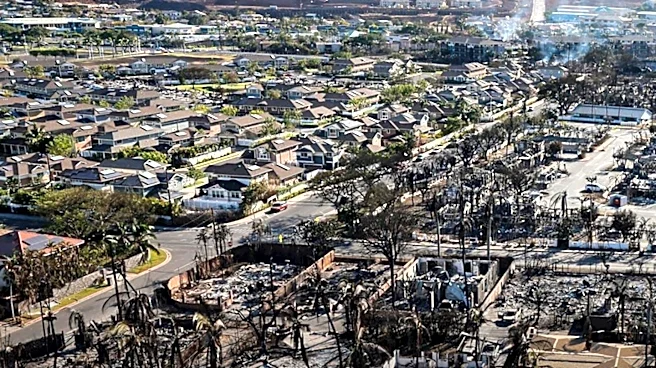
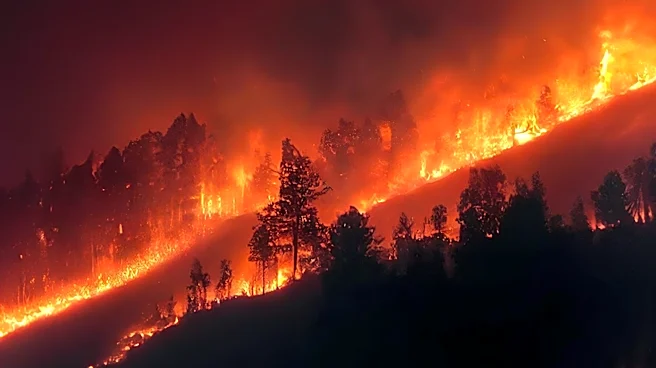
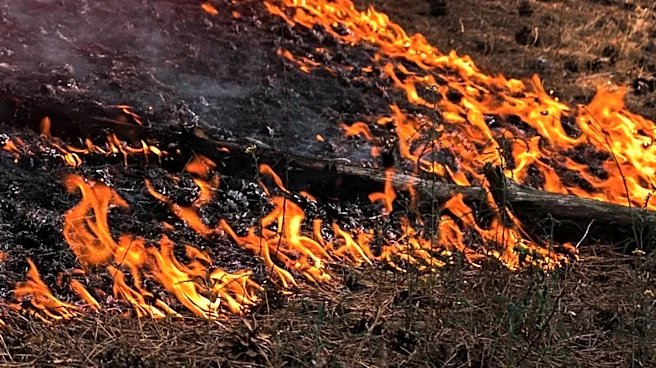
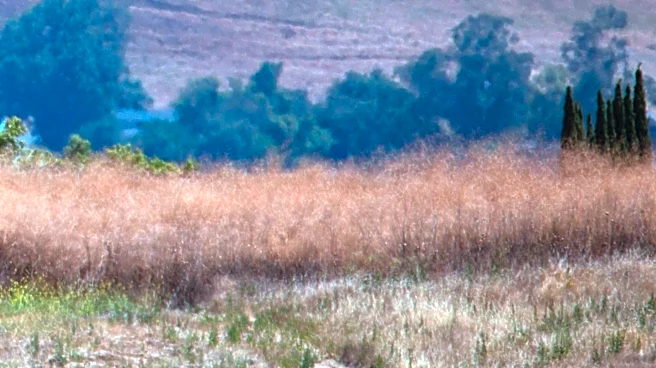
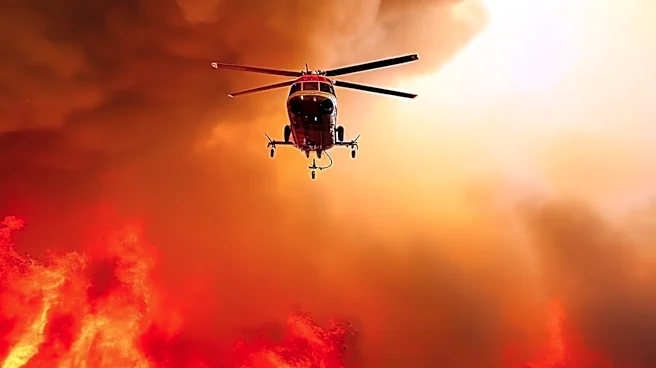
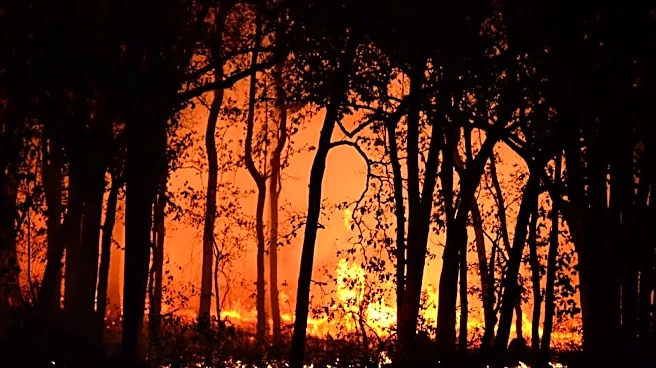
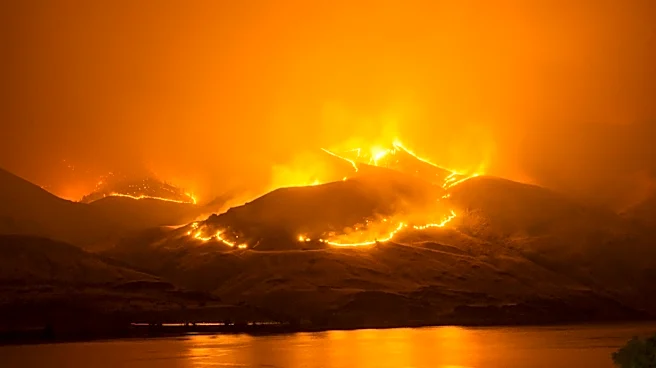
A rapidly spreading wildfire, fueled by strong winds and high temperatures, erupted in northwest Spokane, Washington, prompting the evacuation of thousands of residents. The blaze, known as the Old Trails Fire, began around noon and quickly advanced through
brush and grasslands, eventually crossing the Spokane River. The fire's rapid spread led to visible flames from highways and a significant smoke plume over the region. As of the evening, the fire had consumed nearly 4 square miles of land. The Washington State Department of Natural Resources reported zero containment, with ongoing investigations into the fire's cause. Power company Avista implemented public safety shutoffs due to the elevated fire risk. Governor Bob Ferguson declared a state of emergency in response to the exacerbated wildfire conditions, which were intensified by unusually high temperatures and winds. The National Weather Service issued a 'particularly dangerous situation' red flag alert for eastern Washington.
Why It's Important?
The wildfire in Spokane highlights the increasing frequency and intensity of wildfires in the U.S., particularly in the Pacific Northwest, where climate change is contributing to hotter and drier conditions. The evacuation of thousands underscores the immediate threat to human life and property, while the state of emergency declaration reflects the strain on local resources and the need for coordinated state and federal response efforts. The fire's impact on infrastructure, such as power shutoffs, further illustrates the broader economic and social disruptions caused by such natural disasters. This event serves as a critical reminder of the urgent need for comprehensive wildfire management strategies and climate adaptation measures to protect vulnerable communities.
What's Next?
Authorities are likely to continue monitoring weather conditions closely, as ongoing high temperatures and winds could further complicate firefighting efforts. The focus will be on achieving containment and assessing damage to structures and infrastructure. Residents may face extended displacement, and recovery efforts will require significant coordination among local, state, and federal agencies. The situation may prompt discussions on improving emergency response systems and investing in fire prevention and mitigation strategies. Additionally, the event could influence policy debates on climate change and resource allocation for disaster preparedness.