





What's Happening?
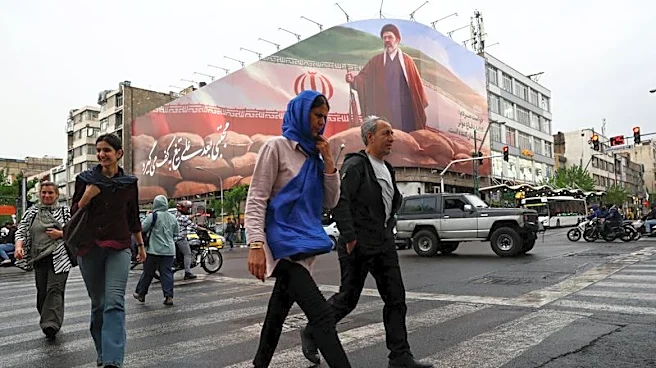
German Chancellor Friedrich Merz has publicly criticized the United States for its handling of the ongoing conflict with Iran, stating that Iran's leadership is humiliating the US by engaging in fruitless negotiations. Merz's comments highlight the deepening
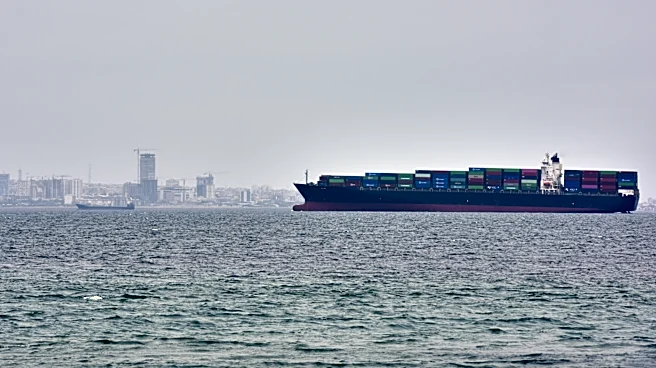
divisions between the US and its European NATO allies. The conflict has led to significant disruptions in global markets, particularly due to the closure of the Strait of Hormuz, a critical waterway for energy supplies. Merz expressed skepticism about the US's exit strategy from the conflict and noted that European nations, including Germany, were not consulted before the US and Israel initiated attacks on Iran. The situation has resulted in economic strain, with Germany facing substantial financial costs due to the conflict.
Why It's Important?
The conflict between the US and Iran, and the subsequent closure of the Strait of Hormuz, have caused unprecedented disruptions in energy supplies, affecting global markets. This situation underscores the fragile nature of international relations and the potential for geopolitical conflicts to impact global economies. The lack of consultation with European allies has strained transatlantic relations, highlighting the need for coordinated international diplomacy. The economic impact on Germany and other European nations could lead to broader economic challenges, affecting industries reliant on stable energy supplies. The situation also raises questions about the effectiveness of US foreign policy and its implications for global stability.
What's Next?
The ongoing conflict and stalled negotiations suggest that tensions between the US and Iran are unlikely to resolve quickly. European nations, including Germany, may seek to play a more active role in diplomatic efforts to reopen the Strait of Hormuz and stabilize energy markets. The US may face increasing pressure from its NATO allies to adopt a more collaborative approach to international conflicts. The economic impact of the conflict may prompt European countries to explore alternative energy sources and strategies to mitigate future disruptions. The situation remains fluid, with potential for further escalation or diplomatic breakthroughs.
Beyond the Headlines
The conflict has broader implications for international diplomacy and the role of NATO in global security. The lack of coordination between the US and its European allies highlights the challenges of maintaining a unified front in international conflicts. The economic strain on Germany and other European nations could lead to shifts in energy policy and increased investment in renewable energy sources. The situation also raises ethical questions about the use of military force and the responsibility of global powers to seek peaceful resolutions to conflicts.