








What's Happening?
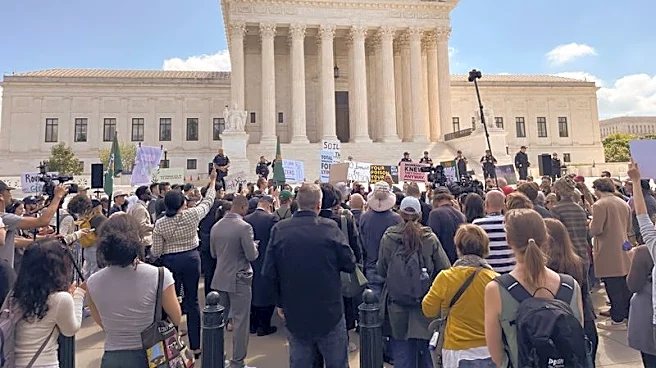
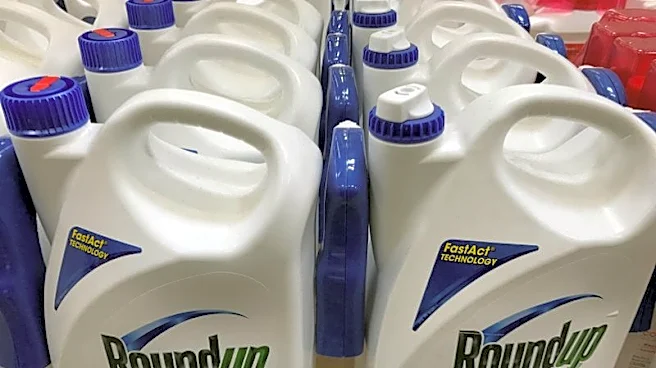
The Supreme Court is considering whether federal law preempts state lawsuits against Monsanto over claims that its weed killer, Roundup, causes cancer. The case involves John Durnell, who alleges that exposure to Roundup led to his non-Hodgkin lymphoma.
Monsanto, now owned by Bayer, argues that the EPA's approval of Roundup's label, which does not include a cancer warning, should preempt state-level legal actions. The court's decision could impact thousands of similar lawsuits and the future use of glyphosate in agriculture.
Why It's Important?
This case is significant as it could set a precedent for how federal and state regulations interact in product liability cases. A ruling in favor of Monsanto could limit the ability of individuals to seek damages under state law, potentially affecting consumer protection and corporate accountability. Conversely, allowing the lawsuits to proceed could lead to stricter regulations and labeling requirements for chemical products. The decision will have implications for the agricultural industry, public health, and environmental policy.
What's Next?
The Supreme Court is expected to issue a ruling by the end of June. The outcome will influence future litigation and regulatory practices concerning chemical products. Stakeholders, including environmental groups and agricultural organizations, are closely monitoring the case, as it could affect the use of glyphosate and other chemicals in farming. The decision may also prompt legislative actions at the state or federal level to address the balance between consumer safety and agricultural needs.