



What's Happening?
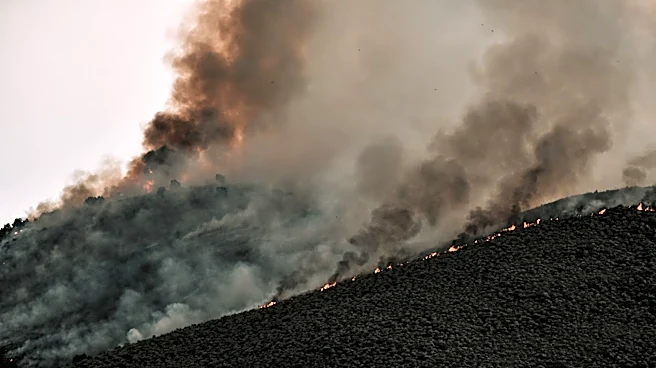
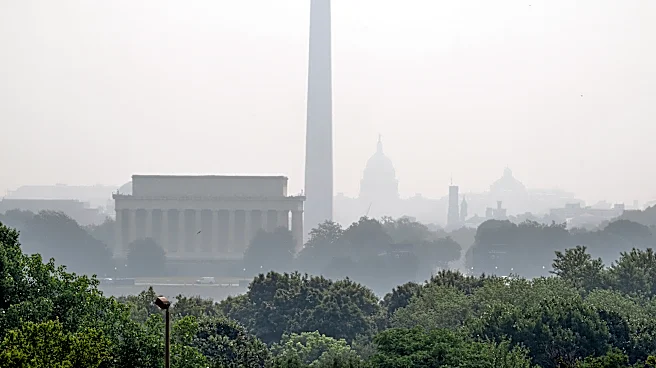
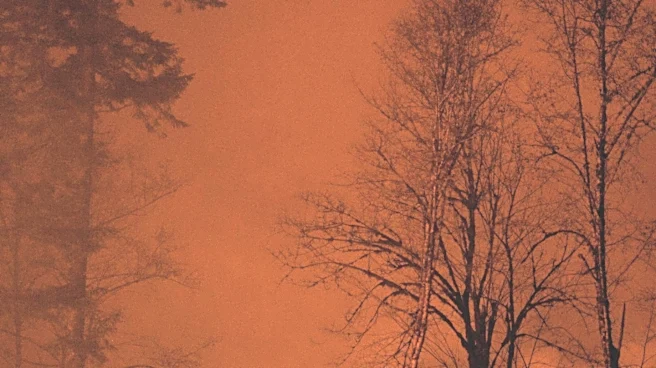
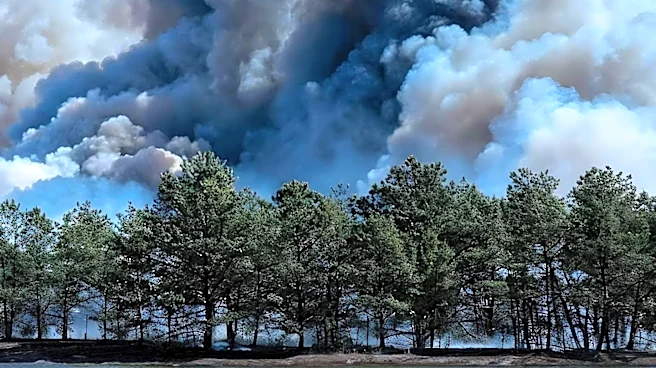
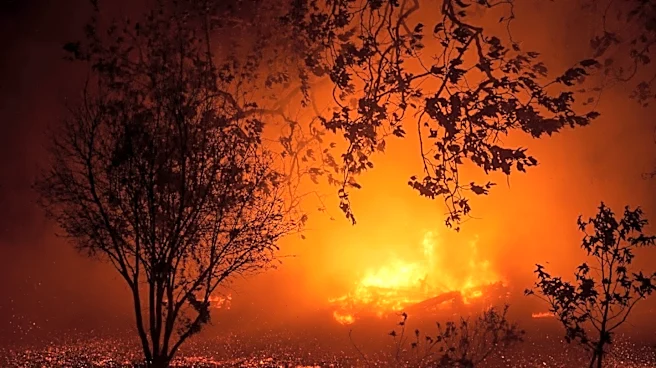
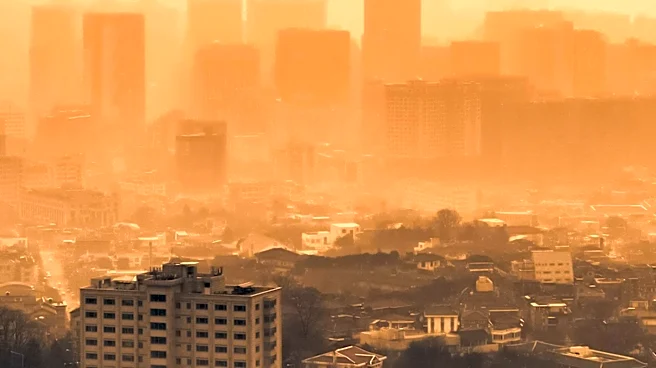
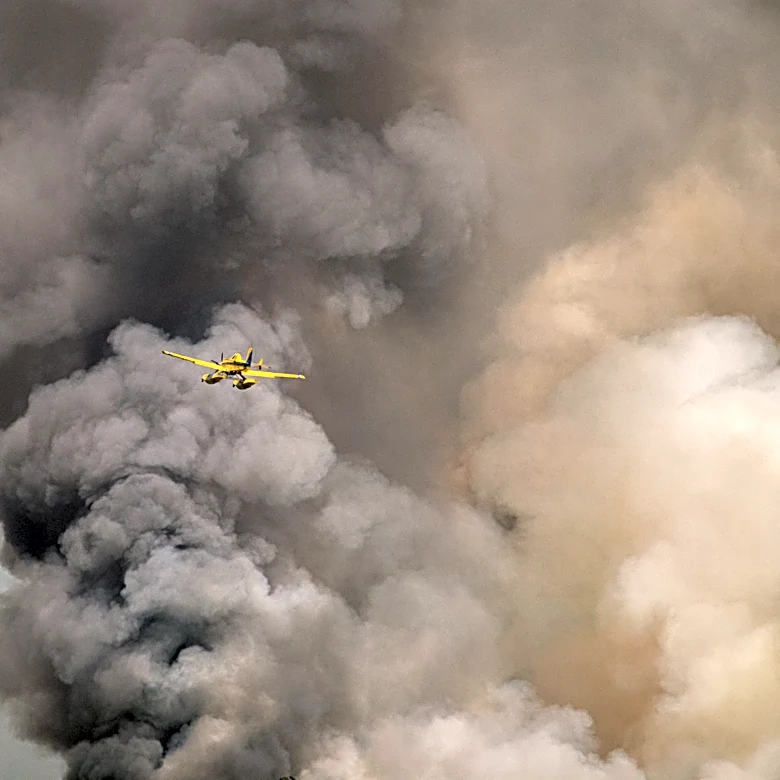
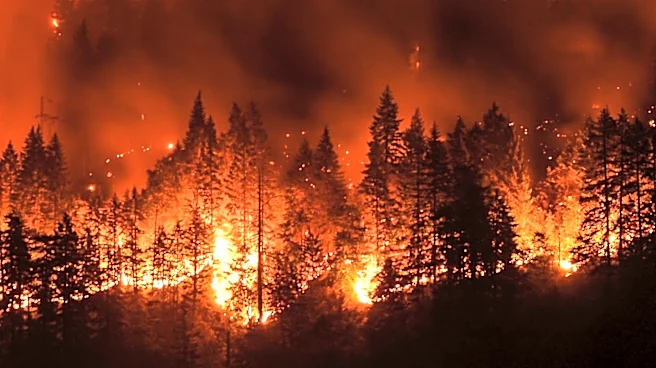
Maryland is experiencing a Code Purple air quality alert as smoke from Canadian wildfires has drifted into the region, creating hazy and unhealthy conditions. The alert signifies that the air quality is very unhealthy, particularly for sensitive groups
such as children, the elderly, and those with respiratory conditions. The smoke has resulted in reduced visibility and potential health risks for residents. Local authorities are advising people to limit outdoor activities and stay indoors as much as possible to avoid exposure to the polluted air. The situation is being closely monitored by environmental agencies, and updates are being provided to the public as conditions change.
Why It's Important?
The air quality alert in Maryland highlights the broader impact of Canadian wildfires on U.S. regions, demonstrating how environmental issues can cross borders and affect public health. The situation underscores the importance of international cooperation in addressing climate-related challenges. For residents, the alert serves as a reminder of the potential health risks associated with poor air quality, prompting increased awareness and precautionary measures. The event may also influence local policies on air quality management and emergency preparedness, as communities seek to mitigate the effects of such environmental hazards in the future.
What's Next?
As the smoke continues to affect air quality, local authorities and environmental agencies will likely maintain close surveillance and provide updates to residents. Efforts to improve air quality may include temporary restrictions on outdoor activities and increased public health advisories. The situation may prompt discussions on long-term strategies to address air pollution and enhance resilience against similar events. Additionally, there may be increased advocacy for policies aimed at reducing wildfire risks and improving air quality standards.
Beyond the Headlines
The air quality alert in Maryland may lead to broader discussions on climate change and its impact on air quality. The event could catalyze efforts to strengthen environmental policies and promote sustainable practices to reduce the frequency and severity of wildfires. It also highlights the interconnectedness of environmental issues, as smoke from fires in one country can significantly affect air quality in another. This may encourage cross-border collaboration on climate action and disaster response strategies.