




What's Happening?
A new NASA-backed study, published in the journal Nature Communications, has identified why astronauts frequently experience constipation in space and a related health risk. Researchers analyzed over 400 blood samples from 52 astronauts who spent more
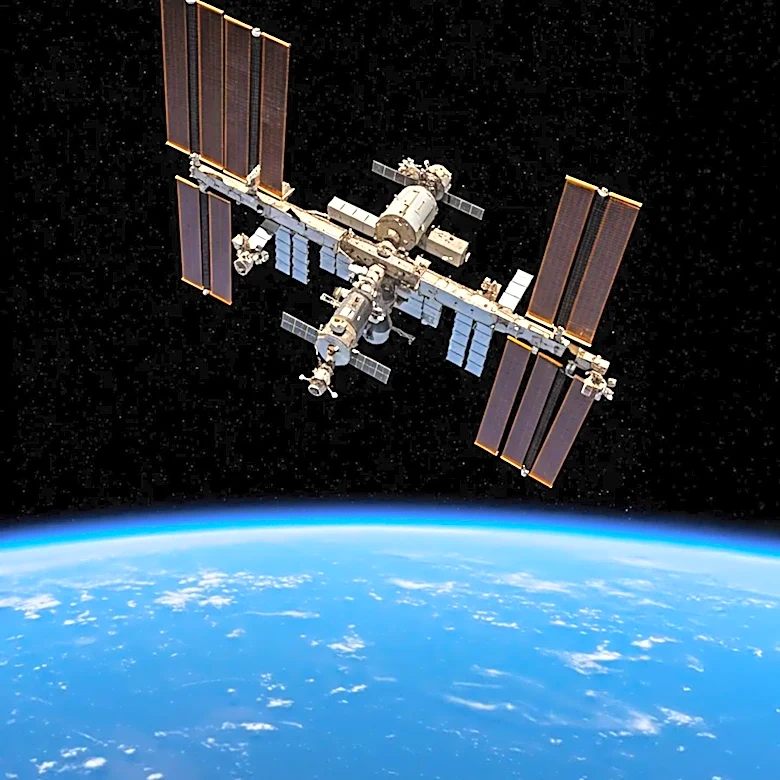
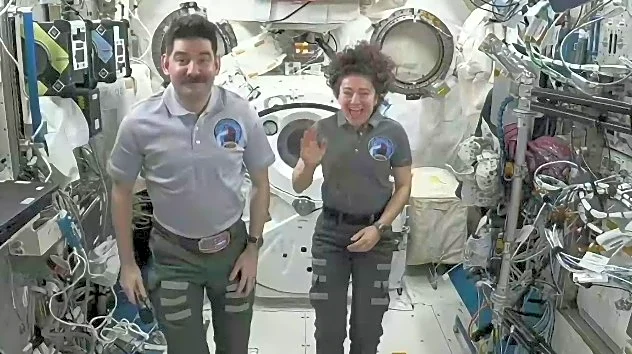
than two months on the International Space Station (ISS) between 2006 and 2018. The study found that gut bacteria in astronauts begin to ferment protein more extensively than usual within weeks of arriving in space, a change that persists until their return to Earth. This shift occurs because microgravity causes food to move more slowly through the intestine, allowing fiber to be thoroughly broken down, prompting gut bacteria to turn to protein. While dietary changes, such as altered caffeine, fish, and fat intake, also play a role, microgravity is identified as the primary cause, accounting for over two-thirds of the observed metabolic changes. This increased protein fermentation leads to the production of metabolites that can have negative health consequences.
Why It's Important?
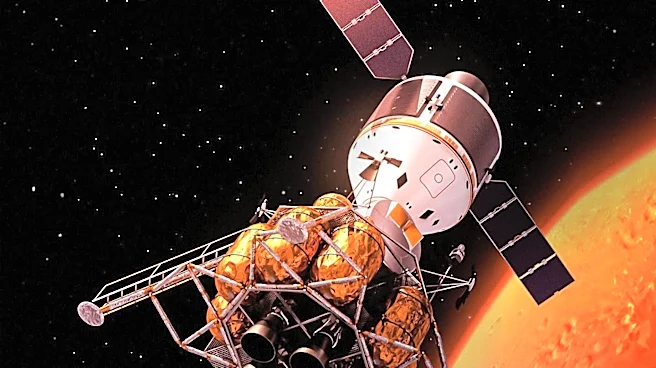
The findings are crucial for understanding and mitigating health risks associated with long-duration spaceflights, such as potential missions to Mars. The metabolites produced from increased protein fermentation, including ammonia and hydrogen sulfide, are linked to kidney damage, mood effects, reduced focus, inflammation, and weakening of the gut lining. While these risks may be limited during shorter missions, they could become significant and harmful during extended periods in space. This research highlights the need for countermeasures to ensure astronaut health and mission success for future deep-space explorations. The study also offers insights into similar digestive issues experienced by bedridden patients on Earth, suggesting broader applications for understanding and treating constipation and altered gut microbiomes in various contexts.
What's Next?
Researchers suggest that countermeasures will be necessary for longer space journeys, such as those planned for Mars. These could include implementing a more fiber-rich diet, providing probiotic supplements, or promoting peristalsis through methods like massage or medication. Such interventions would aim to reduce protein fermentation, maintain a healthy gut environment, and prevent negative health consequences for astronauts. Further research is also needed to understand how prolonged periods of reduced gravity, like those anticipated for future moon bases, might affect protein fermentation. The study's insights could also inform treatments for constipation and gut microbiome imbalances in Earth-bound individuals, particularly those on extended bed rest.
Beyond the Headlines
This study delves into the complex interplay between the human body and extreme environments, revealing how fundamental physiological processes, like digestion, are profoundly altered by microgravity. The ethical implications of long-duration space travel become more pronounced as we uncover potential health detriments that could impact astronauts' well-being and mission effectiveness. The findings underscore the necessity of a holistic approach to space exploration, where biological and medical considerations are as critical as engineering and technological advancements. It also highlights the interconnectedness of human health, even in the seemingly isolated context of space, with broader implications for understanding gut health and its impact on overall physiological and psychological states, both in orbit and on Earth.