



What's Happening?
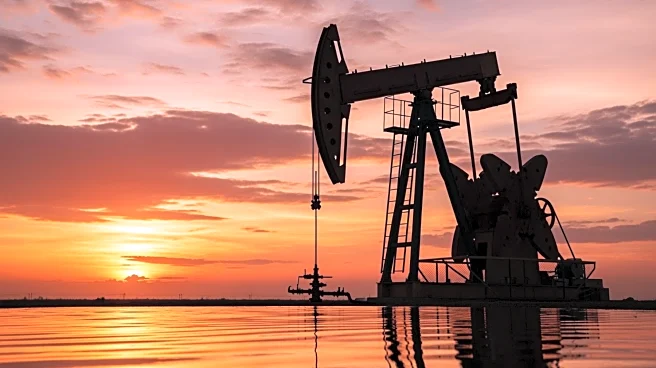
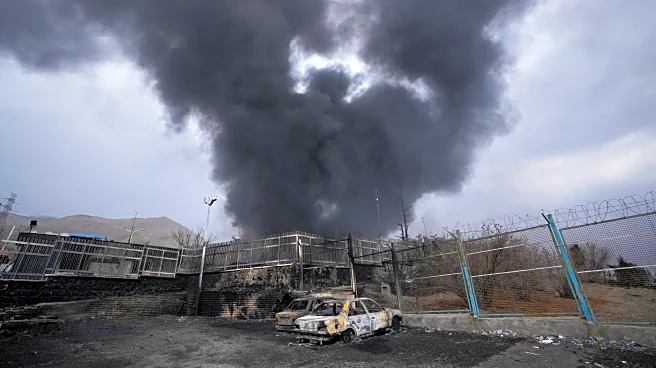
Gas prices in the Philadelphia area have surged significantly, with some drivers experiencing sticker shock at the pump. According to AAA and industry experts, the recent violence in the Middle East has driven oil prices to their highest levels in four
years, causing a ripple effect on gas prices. In Delaware County, drivers have reported spending significantly more to fill their tanks, with some nearing $100 for a full tank. The price increase is attributed to the spike in crude oil prices, which make up a substantial portion of gasoline costs. The closure of the Strait of Hormuz, a critical chokepoint for global oil supply, has exacerbated the situation, despite the U.S. not importing oil from Iran. In response, State Senator Lisa Boscola has proposed legislation to temporarily suspend gas and diesel taxes in Pennsylvania for 60 days to alleviate the financial burden on families and businesses.
Why It's Important?
The surge in gas prices has significant implications for both consumers and the broader economy. Higher fuel costs can lead to increased transportation expenses, affecting everything from personal travel to the cost of goods, as businesses may pass on the additional costs to consumers. The proposed tax suspension by Senator Boscola highlights the government's role in mitigating economic pressures on citizens. Pennsylvania's gasoline tax is one of the highest in the nation, and its temporary suspension could provide much-needed relief. However, the situation underscores the vulnerability of global oil markets to geopolitical tensions, which can have far-reaching economic impacts. The ongoing conflict in the Middle East serves as a reminder of the interconnectedness of global energy markets and the potential for regional conflicts to affect domestic economies.
What's Next?
If Senator Boscola's proposed legislation is enacted, it could provide temporary relief to Pennsylvania drivers by reducing the immediate financial burden of high gas prices. However, the long-term resolution of the issue depends on the stabilization of oil prices, which are currently influenced by geopolitical factors beyond local control. Stakeholders, including government officials and industry leaders, may need to explore alternative strategies to enhance energy security and reduce dependency on volatile global oil markets. Additionally, the situation may prompt discussions on the need for investment in renewable energy sources and infrastructure to mitigate future risks associated with fossil fuel dependency.