






What's Happening?
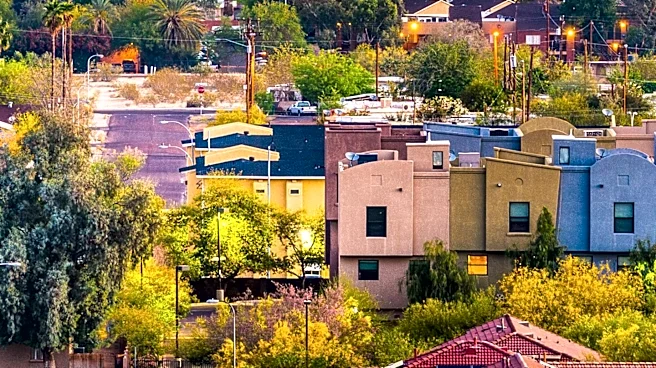
Phoenix residents are projected to face the highest average summer electric bills in the nation, estimated at $1,060, according to the National Energy Assistance Directors Association. This comes as July and August are historically the hottest months
in the Valley, leading to increased air conditioning usage. Rocio Garcia, a Trane account manager and HVAC specialist, advises homeowners on strategies to mitigate these high costs. Key recommendations include raising the thermostat by 7 to 10 degrees when away from home, rather than turning the AC off completely, as this can be more costly. Additionally, using ceiling fans in conjunction with AC when at home can make a room feel up to 5 degrees cooler, but fans should be turned off when leaving a room as they do not cool the space itself. Regular HVAC maintenance, such as changing air filters every 30 to 90 days and scheduling biannual checks in spring and fall, is also crucial for efficiency and longevity.
Why It's Important?
The exceptionally high electricity costs in Phoenix highlight a significant financial burden on households, particularly during peak summer months. This situation underscores the critical need for effective energy management strategies and proper HVAC system maintenance to prevent excessive spending and potential heat-related health issues. Inefficient AC units not only drive up utility bills but can also lead to system breakdowns, necessitating expensive emergency repairs. For homeowners, understanding the nuances of AC usage, such as the impact of thermostat settings when away, can translate into substantial savings. The advice from HVAC specialists emphasizes that proactive maintenance is more cost-effective than reactive repairs, ensuring systems run optimally and extend their lifespan, thereby reducing long-term expenses and improving household comfort and safety.
What's Next?
As Phoenix continues to experience extreme summer temperatures, residents will likely seek further ways to manage their energy consumption and costs. Utility companies and HVAC service providers may increase their outreach efforts to educate consumers on energy-saving practices and maintenance plans. Homeowners are encouraged to implement the suggested strategies, such as adjusting thermostat settings and performing regular maintenance, to see immediate impacts on their monthly bills. The focus will remain on preventative measures and efficient operation of cooling systems to navigate the high-demand periods. Additionally, there may be increased interest in energy-efficient appliance upgrades or home improvements that can further reduce energy consumption in the long run.
Beyond the Headlines
The recurring issue of high summer electricity bills in regions like Phoenix points to broader challenges in energy infrastructure and consumer behavior. It highlights the strain on local power grids during peak demand and the environmental implications of increased energy consumption for cooling. The reliance on air conditioning in extreme climates also raises questions about sustainable urban planning and building codes that could promote more energy-efficient housing. Furthermore, the financial strain on residents could exacerbate economic inequalities, as lower-income households may struggle more to afford adequate cooling, potentially leading to health risks. This situation underscores the need for long-term solutions that combine technological advancements in energy efficiency with public education and policy incentives for sustainable living in hot climates.