









What's Happening?
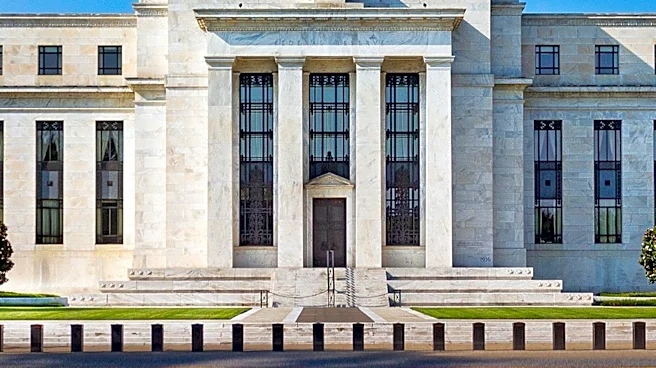
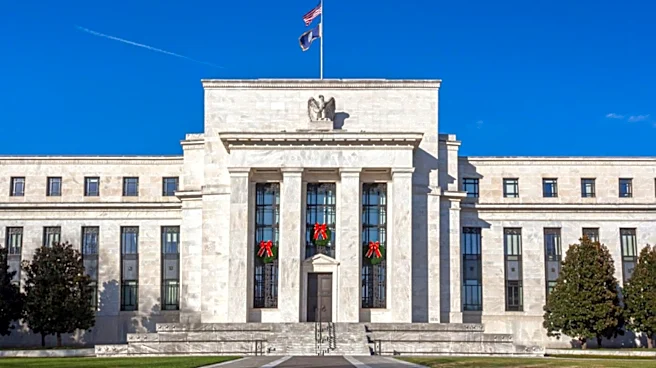
Senator Raphael Warnock has called on Federal Reserve Chair Kevin Warsh to implement policies that protect American workers from the economic uncertainties associated with the rise of artificial intelligence (AI). During a Senate Banking Committee hearing,
Warnock expressed concerns about the potential for an AI-driven economic slowdown and its impact on retirement savings and job security. He highlighted the significant role AI plays in the U.S. economy, accounting for approximately 8% of the GDP, yet noted that major AI firms have not yet achieved meaningful profitability. Warnock urged the Federal Reserve to consider the broader implications of AI on the economy and to include diverse perspectives in its task force on AI.
Why It's Important?
Warnock's push for a more inclusive approach to AI policy underscores the need to address the socioeconomic impacts of technological advancements. As AI continues to reshape industries and the workforce, there is growing concern about job displacement and economic inequality. By advocating for policies that consider the interests of all Americans, not just tech executives, Warnock aims to ensure that the benefits of AI are equitably distributed. This approach could lead to more comprehensive strategies for workforce development and economic resilience, ultimately supporting a more balanced and sustainable economic growth.
What's Next?
The Federal Reserve's response to Warnock's concerns could influence future policy decisions regarding AI and its integration into the economy. The inclusion of diverse viewpoints in the AI task force may lead to more holistic assessments of AI's impact on the workforce and financial markets. Additionally, there may be increased efforts to develop training programs and support systems for workers affected by AI-driven changes. The outcome of these initiatives could shape the trajectory of AI policy in the U.S., potentially setting a precedent for how other countries address similar challenges.