


What's Happening?
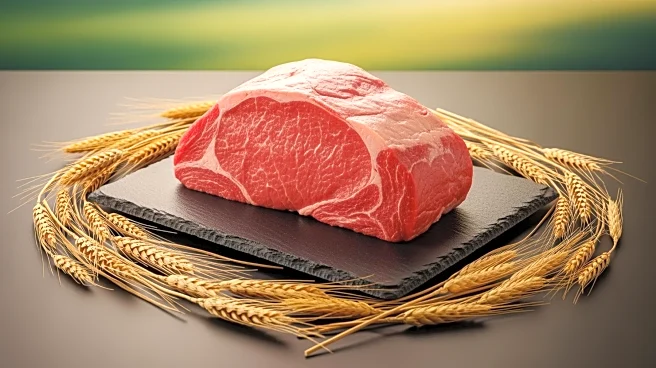
Brazilian beef exports are projected to remain stable in 2026, with shipments expected to range between 3.3 million and 3.5 million metric tons, according to the beef lobby ABIEC. This forecast follows a record year in 2025 when Brazil exported 3.5 million tons of
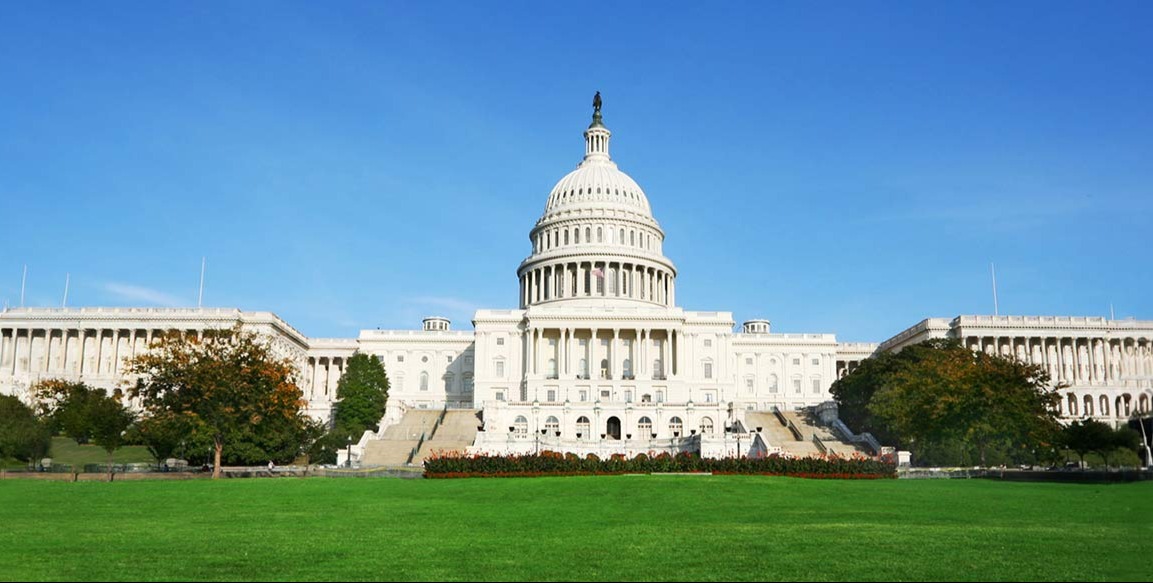
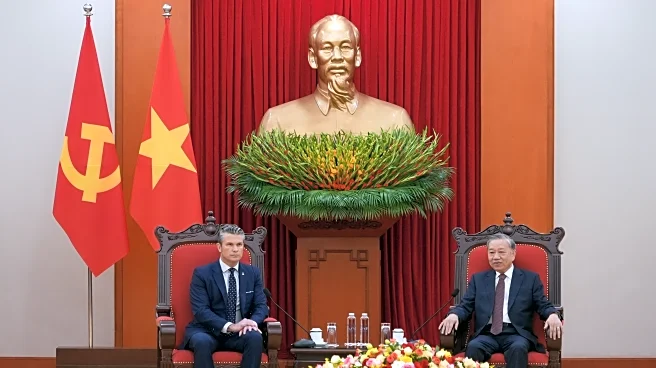
beef, both fresh and processed. The stability in exports comes despite China, Brazil's largest beef importer, imposing safeguards to protect its domestic industry, which has restricted access for Brazilian beef. Roberto Perosa, president of ABIEC, indicated that volumes not sold to China could be redirected to other markets, including newly authorized exports to Vietnam and ongoing negotiations with Japan, South Korea, and other countries. Additionally, the United States, Brazil's second-largest beef market, is expected to increase its imports to 400,000 tons in 2026, up from 270,000 tons in 2025.
Why It's Important?
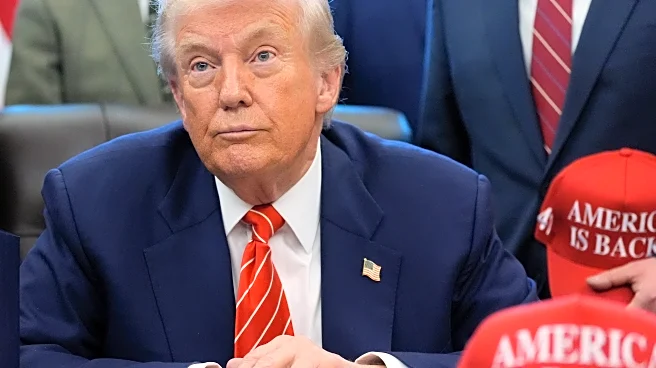
The stability of Brazilian beef exports is significant for the global beef market, particularly as China imposes restrictions that could shift trade dynamics. The ability of Brazil to redirect its beef exports to other markets, such as the U.S., Vietnam, and potentially Japan and South Korea, highlights the country's adaptability in maintaining its export levels. The increase in U.S. imports is particularly noteworthy, as it suggests a strengthening trade relationship despite previous tariff challenges under President Trump. This development could have broader implications for U.S. beef prices and supply, potentially affecting domestic producers and consumers. Additionally, Brazil's efforts to expand its market reach could influence global beef trade patterns and competition.
What's Next?
Brazil's beef industry is likely to continue seeking new markets to offset the impact of China's import restrictions. The ongoing negotiations with countries like Japan and South Korea, as well as the expected clearance of Brazilian plants by Indonesia, could open new avenues for export growth. ABIEC's plan to establish an office in Washington, D.C., suggests a strategic move to strengthen ties with the U.S. market and navigate trade policies more effectively. These efforts could lead to increased market diversification and reduced dependency on any single country, potentially stabilizing Brazil's beef export industry in the long term.