




What's Happening?
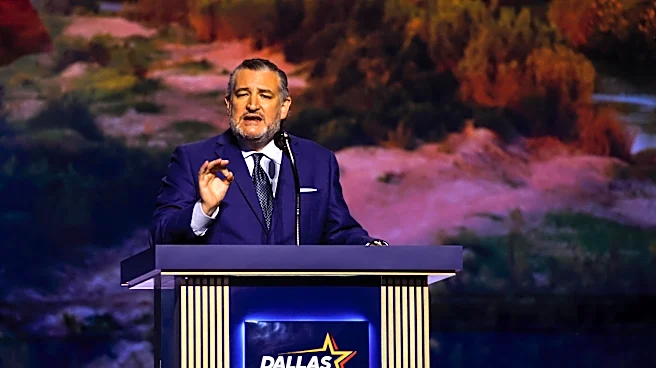
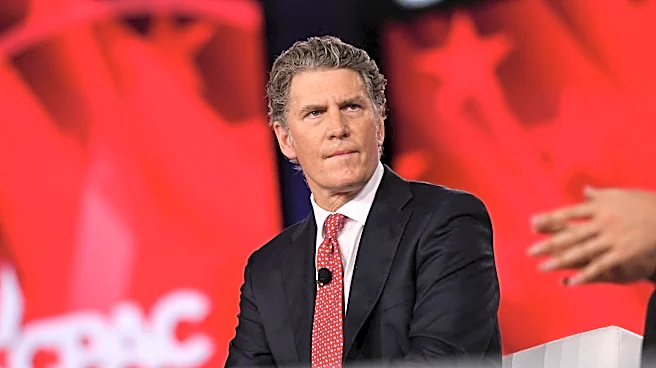
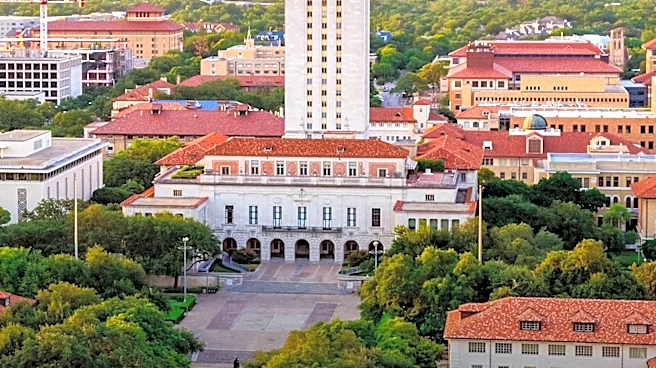
Senator Ted Cruz has publicly addressed the controversial comments made by Bo French, the Republican nominee for Texas railroad commissioner, regarding University of Texas students. French had posted a photo of UT students celebrating a Longhorns victory
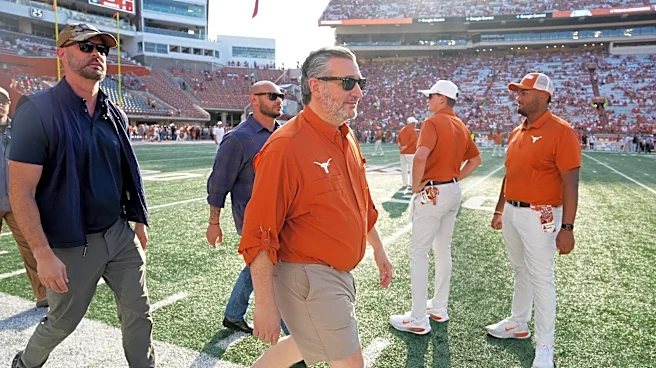
and made remarks about Americans being 'displaced by foreigners.' Senator Cruz, when asked by NBC News producer Frank Thorp, described French's tweet as 'idiotic' and stated, 'I wish he hadn't sent it.' His comments were made privately to the reporter rather than through a public statement or social media post. Following his brief criticism, Senator Cruz quickly shifted his focus to celebrating the Longhorns' win, stating, 'I am celebrating every student at UT, and I was proud to be there in Austin, and it was a hell of a win. Hook 'em horns.' This response places Senator Cruz in a different position compared to other Texas Republicans, some of whom openly condemned French's remarks, while others defended him or remained silent. Senator John Cornyn, for instance, openly condemned the remarks and called on other Republicans to do the same, emphasizing that 'The Republican Party is better than this.'
Why It's Important?
Senator Cruz's measured response to Bo French's controversial tweet highlights the internal divisions within the Republican Party regarding how to address statements perceived as xenophobic or racially charged. His decision to label the tweet 'idiotic' but not explicitly 'racist,' and his subsequent pivot to celebrating the University of Texas football team, could be interpreted in various ways. It might be seen as an attempt to distance himself from the more extreme elements within his party without alienating a segment of his base that might sympathize with French's sentiment. This incident underscores the delicate balance political figures often attempt to strike when navigating sensitive social issues, particularly in a state as politically diverse as Texas. The differing reactions from prominent Republicans like Senator Cornyn, who called for a stronger condemnation, illustrate a broader struggle within the party to define its stance on issues of identity and immigration. This internal debate could influence future political strategies and candidate endorsements, potentially shaping the Republican Party's appeal to different demographic groups in upcoming elections.
What's Next?
The differing reactions from prominent Texas Republicans to Bo French's comments could lead to continued internal discussions and potential shifts in party messaging, especially as the 2026 election cycle approaches. While Senator Cruz has made his stance clear, the broader Republican Party in Texas may face pressure to unify its message on issues of race and immigration. French's decision to double down on his comments and reportedly use them for fundraising suggests that this issue may continue to be a point of contention. The public and media will likely monitor how other Republican leaders respond to similar incidents in the future, and whether there will be a more concerted effort to condemn or distance the party from such remarks. The incident could also influence voter perceptions of the Republican Party, potentially affecting turnout and support in key demographics. The ongoing debate highlights the challenges political parties face in maintaining cohesion while appealing to a diverse electorate.
Beyond the Headlines
This incident delves into the deeper societal implications of political rhetoric and its impact on public discourse, particularly concerning issues of national identity and immigration. Bo French's tweet, and the subsequent reactions, reflect underlying tensions about who constitutes 'American' and the perceived threats to that identity. Senator Cruz's response, while critical of the tweet's 'idiocy,' avoided a direct condemnation of its potentially racist undertones, which could be seen as a strategic move to avoid alienating certain segments of his political base. This highlights a broader trend in contemporary politics where politicians often walk a fine line when addressing controversial statements, balancing moral condemnation with political expediency. The differing responses from within the Republican Party also reveal a struggle over the party's moral compass and its public image. The incident underscores how quickly social media can amplify divisive rhetoric and force political figures to react, often under public scrutiny, shaping not only individual careers but also the broader political landscape and the ongoing national conversation about diversity and inclusion.