




What's Happening?
A new analysis by Climate Central reveals that October nighttime temperatures have warmed significantly across 93% of 246 major U.S. cities since 1970. On average, October nights in these cities have warmed by 3.4°F. The Northeast region has experienced
the most substantial warming, averaging 4.1°F. Specific cities showing the most dramatic increases include Reno, NV (+11.9°F), El Paso, TX (+10.1°F), Las Vegas, NV (+9.5°F), Tyler, TX (+8.3°F), and New Orleans, LA (+8.1°F). This warming trend is primarily attributed to climate change and is affecting traditional fall activities, such as trick-or-treating, by taking the 'chill' out of October evenings. The analysis utilized October minimum temperature data from 1970 to 2025, sourced from the National Oceanic and Atmospheric Administration (NOAA).
Why It's Important?
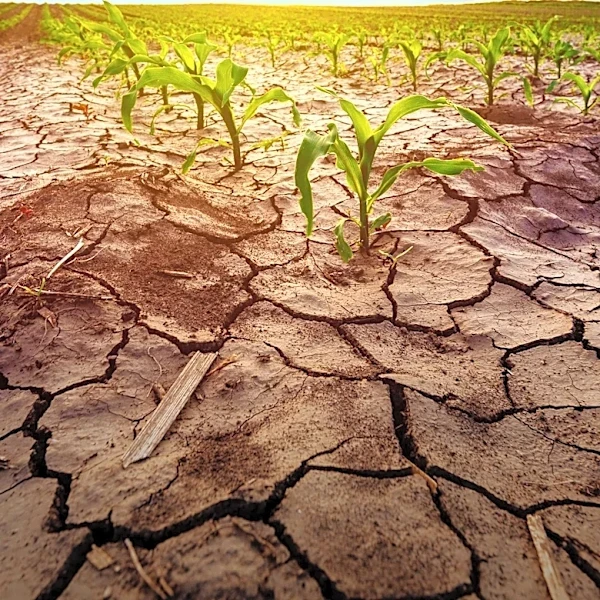
The warming of October nights across most major U.S. cities has broad implications beyond just altering fall traditions. A prolonged warmer fall season extends the risks associated with heat-related illnesses, which can strain public health systems and impact vulnerable populations. Furthermore, warmer temperatures can exacerbate wildfire conditions, particularly in regions already prone to them, and prolong allergy seasons, affecting public health and productivity. The shift in seasonal norms can also disrupt ecological patterns, impacting agriculture and local ecosystems. Economically, sectors reliant on seasonal weather, such as tourism and outdoor recreation, may experience changes. This trend underscores the pervasive and localized effects of climate change across the United States, necessitating adaptation strategies at the municipal level.
What's Next?
As October nights continue to warm, U.S. cities will likely face ongoing challenges related to public health, environmental management, and urban planning. Local governments and public health agencies may need to adjust their strategies for managing heat-related risks, even into the fall months. Fire management agencies will need to prepare for extended wildfire seasons. For residents, the changes could mean a longer period of discomfort from heat and allergies. The data from Climate Central, based on NOAA information, provides critical insights for urban planners and policymakers to develop targeted climate resilience plans. Continued monitoring of these temperature trends will be essential to understand the evolving impacts and inform future mitigation and adaptation efforts across the country.
Beyond the Headlines
The warming of October nights subtly but significantly alters the cultural and psychological experience of autumn in the U.S. The traditional imagery and activities associated with a crisp, cool fall are gradually being replaced by warmer conditions, which can impact everything from seasonal clothing choices to outdoor event planning. This shift also highlights the concept of 'creeping normalcy,' where gradual environmental changes become the new baseline, potentially desensitizing the public to the broader implications of climate change. The localized nature of these temperature increases, with some cities experiencing much more dramatic warming than others, points to the varied and complex ways climate change manifests across different geographies, requiring tailored responses rather than a one-size-fits-all approach.