



What's Happening?
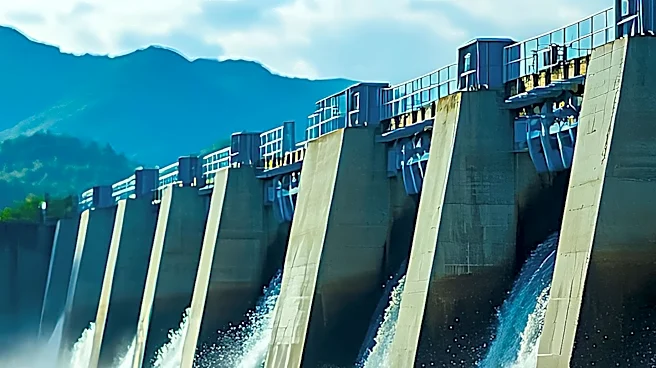
U.S. Representative Dusty Johnson (R-S.D.) has introduced H.R. 9785, the South Dakota Water Feasibility Studies Act. This bill directs the Secretary of the Interior to conduct studies aimed at determining the feasibility of constructing projects to supply
municipal, rural, and industrial water in specific areas of the Missouri River basin. The legislation was among several bills discussed and supported in a committee, indicating a move towards addressing water infrastructure needs in the region. This initiative is part of broader legislative efforts to manage natural resources and support local communities.
Why It's Important?
The introduction of the South Dakota Water Feasibility Studies Act is significant for the economic development and public welfare of communities within the Missouri River basin. Reliable access to municipal, rural, and industrial water is fundamental for sustaining populations, supporting agricultural practices, and facilitating industrial growth. By directing the Secretary of the Interior to conduct these studies, the bill lays the groundwork for potential future infrastructure projects that could alleviate water scarcity issues, improve public health, and ensure long-term economic stability in the affected areas. This legislation addresses a critical resource need, impacting residents, businesses, and agricultural sectors in South Dakota and potentially other parts of the Missouri River basin.
What's Next?
Following its introduction, H.R. 9785 will proceed through the legislative process, which includes committee review, potential amendments, and votes in both the House of Representatives and the Senate. If passed and signed into law, the Secretary of the Interior will be mandated to initiate the feasibility studies. The findings of these studies will then inform future decisions regarding the planning, funding, and construction of water supply projects. Stakeholders, including local governments, agricultural organizations, and industrial entities, will likely monitor the progress of this bill closely, as its outcome could directly influence their access to vital water resources and future development opportunities.
Beyond the Headlines
This legislative effort underscores the growing national concern over water resource management, particularly in regions facing increasing demands and environmental pressures. The focus on feasibility studies reflects a strategic approach to infrastructure development, ensuring that potential projects are thoroughly evaluated for their practicality, cost-effectiveness, and environmental impact before significant investments are made. The bill also highlights the complex interplay between federal and local governance in addressing critical resource needs, with federal legislation providing the framework for state-level implementation. This initiative could set a precedent for similar water management strategies in other U.S. regions grappling with water supply challenges, emphasizing sustainable and long-term solutions.