







What's Happening?
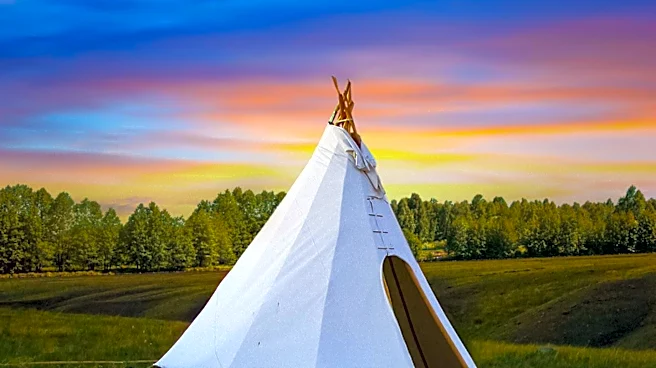
The 130th Cheyenne Frontier Days has introduced a new feature this year, the Morning Star American Indian Village, which aims to highlight Indigenous American cultures through art, history, and performances. This new addition represents a multi-million-dollar
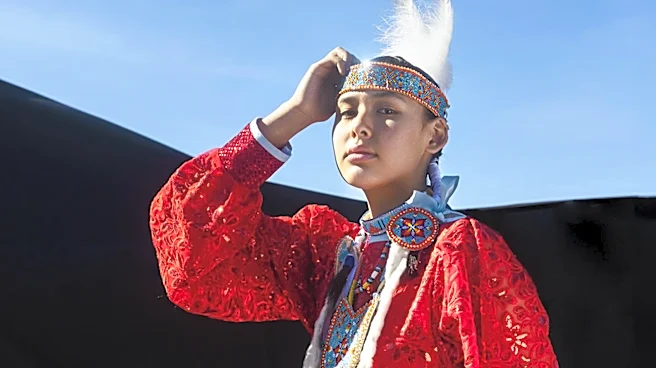
investment and offers an immersive experience for guests to learn about Plains Indian cultures and their influence on American history. The village, located near the Old West Museum, features traditional dances, storytelling, and music, with six performances scheduled each day. It also provides a platform for Native American artists to showcase and sell their creations, including beadwork and silverwork. Jackie Sevier, a member of the Arapahoe Tribe and curator for the village, emphasized the importance of selecting artists who can educate visitors about their culture. The initiative has received positive feedback from the community, with visitors appreciating the enhanced cultural experience.
Why It's Important?
The introduction of the Morning Star American Indian Village at Cheyenne Frontier Days is significant as it provides a platform for Indigenous cultures to be celebrated and understood by a wider audience. This initiative not only honors the legacy of Native American contributions to American history but also addresses the lack of representation and education about Indigenous cultures in mainstream narratives. By showcasing authentic art, performances, and storytelling, the village offers a more accurate depiction of Native American history and culture, which is often overlooked in educational materials. This can lead to greater cultural appreciation and understanding among attendees, fostering a more inclusive society. Additionally, it provides economic opportunities for Native American artists and performers, allowing them to reach new audiences and gain recognition for their work.
What's Next?
The Morning Star American Indian Village is expected to continue drawing attention and visitors throughout the duration of the Cheyenne Frontier Days. As the event progresses, organizers may gather feedback to further enhance the experience and potentially expand the offerings in future years. The success of this initiative could inspire other cultural events to incorporate similar features, promoting Indigenous cultures across the United States. Additionally, the positive reception may encourage further investments in cultural preservation and education, benefiting both Indigenous communities and the broader public.