








What's Happening?
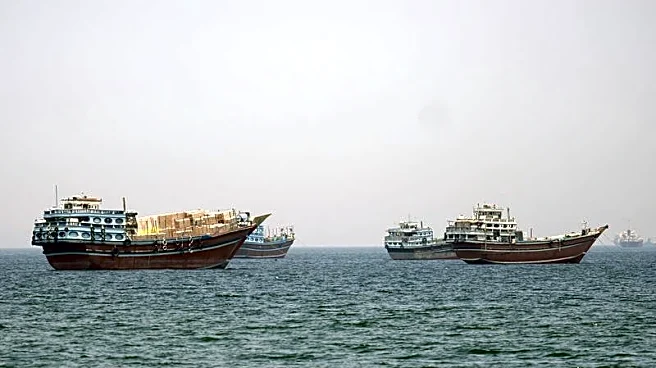
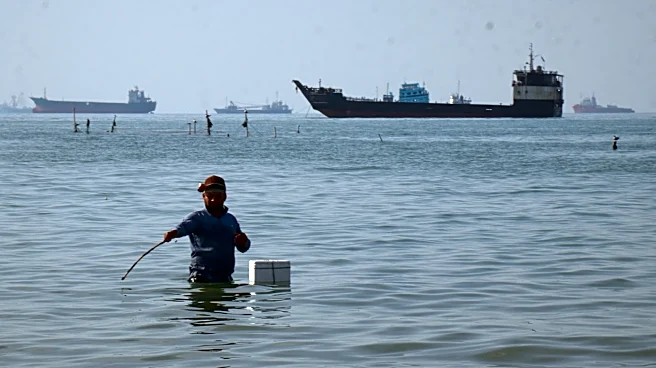
Iran has proposed new terms for negotiations with the United States, offering to discuss the reopening of the Strait of Hormuz and its nuclear program in exchange for the removal of U.S. sanctions. This proposal marks a shift from Iran's previous demands,
which required the U.S. to end its blockade and military actions as preconditions for talks. Despite these concessions, President Trump has expressed dissatisfaction with the proposal, citing unresolved issues regarding Iran's nuclear ambitions and the management of the Strait of Hormuz. The U.S. remains firm on its stance that Iran must allow unimpeded passage through the strait and dismantle its nuclear program.
Why It's Important?
The proposal from Iran indicates a potential opening for diplomatic negotiations, which could lead to a de-escalation of tensions in the region. However, the U.S.'s skepticism highlights the challenges in reaching a comprehensive agreement that addresses both security concerns and economic sanctions. The outcome of these negotiations could significantly impact regional stability, global oil markets, and international relations. A successful agreement could lead to the lifting of sanctions and improved economic conditions for Iran, while failure to reach a deal may result in continued economic hardship and potential military confrontations.
What's Next?
Negotiations are expected to continue, with potential talks in Pakistan if the U.S. agrees to Iran's proposal. The U.S. may seek to leverage its economic pressure to extract further concessions from Iran. Meanwhile, military options remain on the table, as indicated by President Trump's discussions with military advisors. The international community will be closely monitoring these developments, as the outcome could have far-reaching implications for global security and economic stability.