




What's Happening?
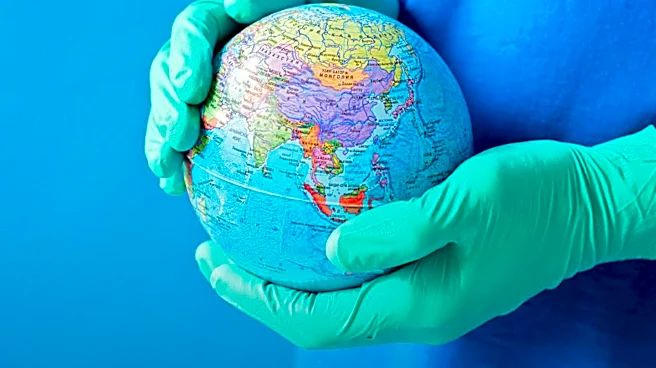
The World Health Organization (WHO) and the Commonwealth Secretariat have renewed their Memorandum of Understanding (MoU) for another four years. This agreement reaffirms their commitment to improving health and well-being across the 56 member countries
of the Commonwealth and aims to strengthen collaboration on global health challenges. The MoU was signed by the Secretary-General of the Commonwealth, Hon Shirley Botchwey, and the WHO Director-General, Dr. Tedros Adhanom Ghebreyesus. The renewed partnership focuses on four key areas: advancing primary health care and essential health system capacities for universal health coverage, including digital health solutions; addressing health determinants and root causes of ill health across various sectors; improving health service coverage and financial protection to tackle health and gender inequalities; and building climate-resilient and sustainable health systems to respond to climate change impacts. This collaboration is designed to help countries confront health emergencies, climate impacts, and persistent inequalities through coordinated international action.
Why It's Important?
This renewed partnership is crucial for enhancing global health security and equity, particularly for the 2.7 billion people residing in Commonwealth nations, over 60% of whom are under 30. By combining WHO's technical expertise with the Commonwealth's ability to convene leaders, the initiative aims to create more resilient and equitable health systems. This collaboration will directly impact public health by promoting evidence-based policies, strengthening health infrastructure, and expanding access to essential health services. Vulnerable countries, including Small States, and marginalized groups are expected to benefit from targeted efforts to reduce health inequalities. The focus on climate-resilient health systems also addresses a growing global threat, ensuring that health services can withstand environmental challenges. This strategic alliance underscores the necessity of international cooperation to achieve universal health coverage and protect populations from emerging health crises.
What's Next?
Over the next four years, WHO and the Commonwealth Secretariat will deepen their cooperation through high-level advocacy, multi-stakeholder dialogues, and the promotion of evidence-based policies and strategies. They will leverage WHO’s technical guidance and norms to support member countries in implementing health initiatives. The partnership will continue to prioritize health in the most vulnerable countries and among vulnerable groups, with a specific focus on reducing inequalities. The organizations plan to build on the foundations of their first MoU, signed in 2022, by continuing to collaborate on strengthening health systems for the long term while simultaneously responding to urgent health threats. This ongoing collaboration is expected to lead to more robust national health systems and improved health outcomes across the Commonwealth.
Beyond the Headlines
The renewal of this partnership highlights a broader trend towards integrated global health governance, recognizing that health challenges transcend national borders and require coordinated international responses. The emphasis on digital health solutions and climate-resilient systems reflects an understanding of contemporary and future health threats, moving beyond traditional disease control to a more holistic approach to well-being. This collaboration also underscores the role of international organizations in fostering collective action and resource mobilization, particularly in an era marked by complex global crises. The focus on addressing root causes of ill health and health determinants across sectors signifies a shift towards preventative and comprehensive health strategies, aiming to create healthier societies rather than merely treating illnesses. This long-term commitment to partnership could serve as a model for other international bodies seeking to address multifaceted global challenges.