



What's Happening?
The U.S. housing system is inadequately prepared for the nation's rapidly aging population, with projections indicating that by 2030, one in five Americans will be over 65. This demographic shift necessitates a reevaluation of current housing policies
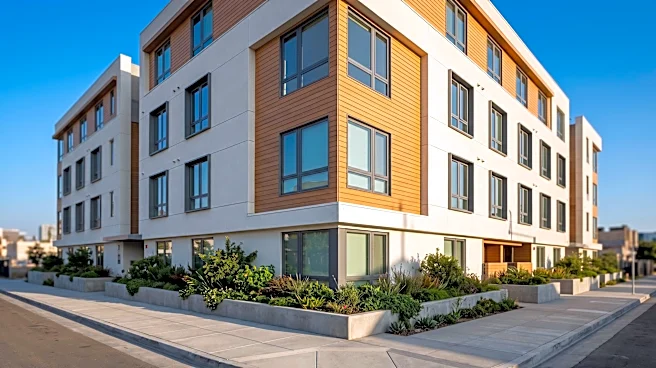
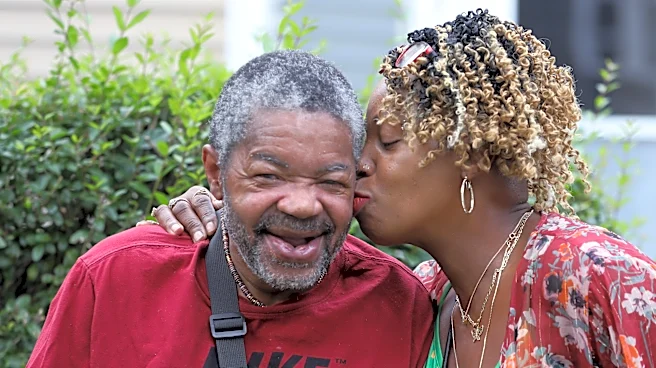
and solutions. Experts from AARP, EMPOWERment Inc., Frolic Community, and the University of California, San Francisco, highlight that the existing housing stock, communities, and transportation networks were largely built without considering the needs of an aging populace. While three-quarters of individuals aged 50 and older desire to remain in their homes and communities, nearly half anticipate challenges in doing so due to necessary home modifications, accessibility issues, and other limiting factors. The discussion emphasizes the need for diverse housing options that support 'aging in place' and 'aging in community,' moving beyond the traditional single-family home model.
Why It's Important?
The unpreparedness of the U.S. housing system for an aging population carries significant societal and economic implications. A lack of suitable and affordable housing options can force older adults into nursing homes prematurely, even if their primary need is accessible housing rather than intensive medical care. This not only impacts the quality of life for seniors but also places a substantial financial burden on families and the healthcare system. Furthermore, the issue intersects with broader challenges such as housing affordability, gentrification, and discrimination, disproportionately affecting low-wealth individuals, women, and minority groups. Addressing this requires a collective effort from policymakers, developers, and communities to create flexible, inclusive, and affordable housing solutions that cater to a wide range of needs, preventing future crises and supporting caregivers who often bear the brunt of inadequate support systems.
What's Next?
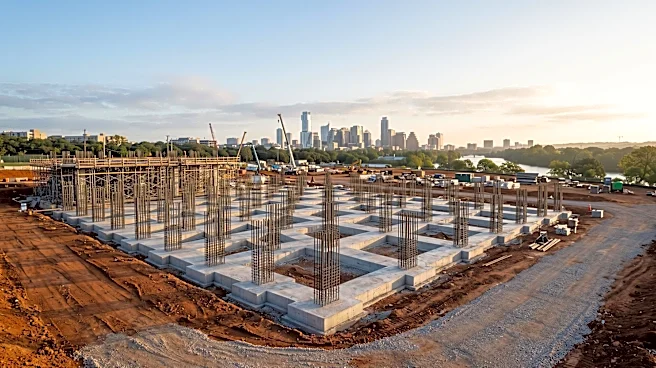
To address the looming housing crisis for older Americans, several key actions are being proposed. Policy changes are crucial, particularly in reforming zoning laws to allow for more diverse housing types like accessory dwelling units (ADUs), duplexes, and townhouses, which are currently restricted in over 80% of U.S. neighborhoods. Incentives for universal and inclusive design in new constructions and retrofits are also vital to make homes safer and more accessible. Community engagement is paramount, encouraging citizens to advocate for their needs at local planning and zoning boards. Additionally, exploring innovative models such as hybrid affordable cohousing and leveraging existing infrastructure like naturally occurring retirement communities (NORCs) can provide more options. The focus will be on collaborative efforts between public, private, and non-profit sectors to ensure a range of solutions that meet the complex needs of an aging demographic.
Beyond the Headlines
The challenge of housing an aging population extends beyond mere construction; it touches upon fundamental aspects of community, social connection, and individual dignity. The discussion highlights the importance of 'third places'—community spaces like parks, libraries, and senior centers—that foster social interaction and combat isolation, which is a significant mental health concern for older adults. The re-emergence of multi-generational housing models, historically common in many cultures, suggests a shift towards more integrated living arrangements that can provide mutual support and reduce the strain on caregivers. However, this also necessitates careful consideration of legal and financial frameworks to protect homeowners and ensure equitable development. The conversation also underscores the need to address systemic issues like ageism, sexism, and racism within housing policies, ensuring that solutions are not only practical but also just and inclusive for all members of society.