









What's Happening?
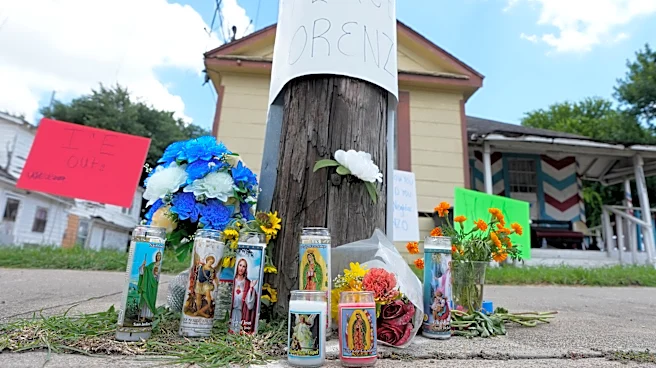
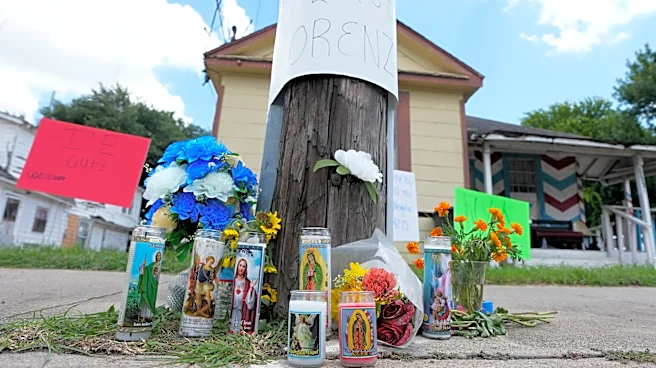
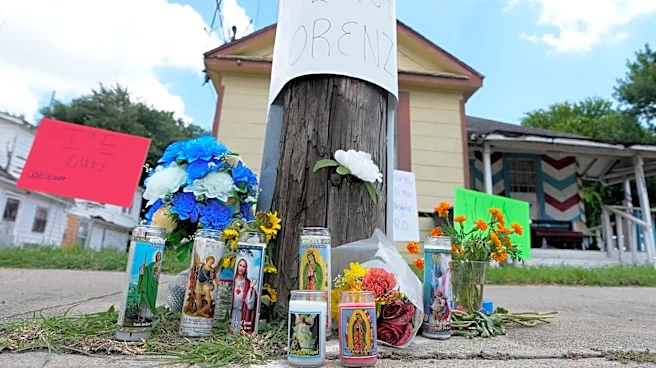
In Houston, a recent increase in Immigration and Customs Enforcement (ICE) activity has culminated in a fatal shooting involving federal agents. Lorenzo Salgado Araujo, a 52-year-old Mexican national, was shot by ICE agents after allegedly attempting
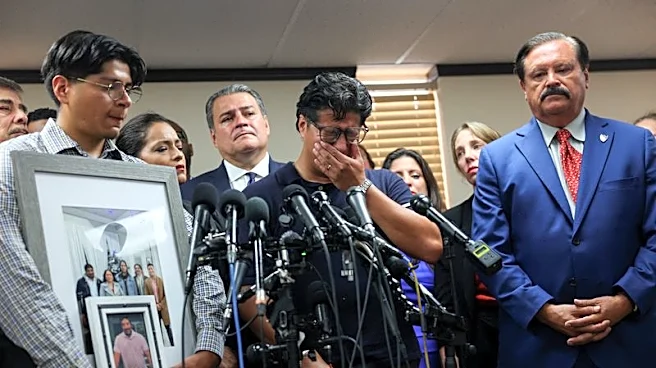
to use his van as a weapon during an arrest attempt. The Department of Homeland Security (DHS) claims that Salgado Araujo tried to evade arrest and posed a threat to the agents, prompting them to fire in self-defense. However, witnesses and legal representatives dispute this account, stating that the shots were fired from the side of the vehicle, not the front. The incident has sparked fear and anger within the local community, particularly among immigrant-rights groups who report an uptick in ICE sightings and arrests in recent weeks.
Why It's Important?
The shooting has heightened tensions in Houston's immigrant communities, raising concerns about the safety and treatment of immigrants under increased ICE enforcement. The incident underscores the broader national debate over immigration policies and the methods used by federal agencies in enforcing these policies. For many residents, the presence of ICE agents has created an atmosphere of fear and insecurity, particularly in neighborhoods with large immigrant populations. The situation highlights the potential for tragic outcomes when enforcement actions are perceived as aggressive or unjust, and it raises questions about the accountability and transparency of federal agencies in such operations.
What's Next?
In the aftermath of the shooting, community leaders and immigrant-rights organizations are likely to call for investigations into the incident and demand greater oversight of ICE operations. There may be increased advocacy for policy changes to ensure the safety and rights of immigrants are protected. Additionally, the incident could prompt discussions at the federal level regarding the use of force by immigration agents and the need for body cameras to provide transparency in enforcement actions. The community's response and any potential legal actions could influence future ICE operations and immigration policy debates.