






What's Happening?
U.S. Representative Terri Sewell (D-Birmingham) has co-sponsored a bill proposing a nationwide temporary ban on the construction of new data centers. This legislative action comes amidst growing local opposition to data center development, particularly
in areas like the Tennessee Valley. State Senator Sam Givhan (R-Huntsville) has noted 'overwhelming opposition' to data centers in his district, citing concerns from a majority of residents. Several cities across Alabama, including Fort Payne, Cullman, Birmingham, Leeds, and Homewood, have already implemented moratoriums on new data center projects this year. The co-sponsorship by Representative Sewell aligns with a broader sentiment among some Democrats, including gubernatorial nominee Doug Jones, who has called for a one-year moratorium on new data centers. The debate centers on the environmental and infrastructural impact of these facilities, particularly their energy consumption.
Why It's Important?
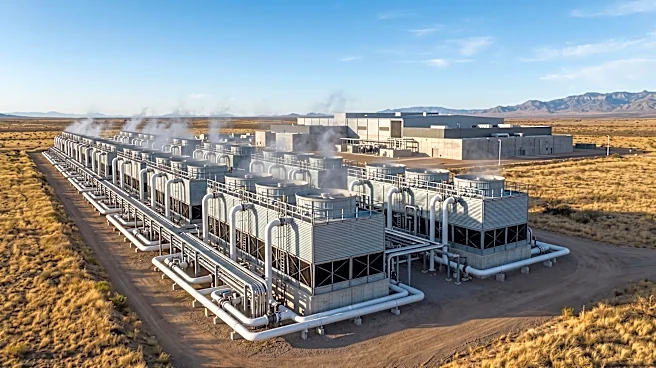
The push for a nationwide temporary ban on new data centers, co-sponsored by Representative Sewell, highlights a significant emerging conflict between technological expansion and local community concerns, particularly regarding energy and environmental impact. Data centers are critical infrastructure for the digital economy, supporting everything from cloud computing to artificial intelligence. However, they are also massive consumers of electricity and water, raising concerns about grid stability, carbon emissions, and resource depletion. The widespread local moratoriums and the proposed federal ban indicate a growing recognition of these impacts. This issue is important because it forces a re-evaluation of how the U.S. balances its digital infrastructure needs with environmental sustainability and community well-being. It could lead to stricter regulations on data center development, incentivize more energy-efficient designs, or prompt a shift in where these facilities are located, potentially impacting the growth trajectory of the tech industry and local economies.
What's Next?
The bill co-sponsored by Representative Sewell, proposing a nationwide temporary ban on new data centers, will proceed through the legislative process in Congress. This will likely involve committee hearings, debates, and potential amendments. The outcome will depend on the level of bipartisan support and the ability to address concerns from various stakeholders, including the tech industry, environmental groups, and local communities. Concurrently, the debate at the state and local levels will continue, with more cities potentially considering moratoriums or stricter zoning laws for data centers. State Senator Sam Givhan has indicated plans to introduce legislation to eliminate tax incentives and subsidies for data centers in Alabama, suggesting a multi-pronged approach to regulating their development. The ongoing discussions will likely focus on finding a balance between fostering technological growth and mitigating the environmental and infrastructural challenges posed by data centers.
Beyond the Headlines
The debate over data centers, as evidenced by Representative Sewell's co-sponsorship of a federal ban, extends beyond immediate energy concerns to touch upon broader questions of economic development, technological sovereignty, and environmental justice. The concentration of data centers in certain regions can strain local resources and infrastructure, leading to increased energy costs for residents and potential environmental degradation. This raises ethical questions about who benefits from technological advancements and who bears the costs. A nationwide ban, even temporary, could force a critical examination of the long-term sustainability of current data center growth models and encourage investment in renewable energy sources and more efficient cooling technologies. It could also spark a national conversation about the strategic placement of these facilities, considering factors like climate resilience, access to clean energy, and equitable distribution of economic benefits and environmental burdens. This issue underscores the complex interplay between policy, technology, and community values in shaping the future of the digital age.